
Diy Budget Kindergarten Worksheets
📖 Table of Contents
The first time I sat down with my daughter’s kindergarten teacher, I was struck by how little the school had in the way of printed materials for hands-on learning. Her eyes lit up when I mentioned that I had some DIY worksheets from home, and suddenly, we were in the middle of a brainstorm session about how to make learning fun and affordable. That’s how my journey with DIY budget kindergarten worksheets began — not from a glossy catalog or a teacher’s guide, but from a simple notebook and a few colored pencils.[1]
I started with a stack of scrap paper, a printer, and a handful of ideas I had jotted down from watching my daughter play. It was messy, and it was far from perfect, but it worked. Over the next few months, I found that these DIY worksheets didn’t just save money — they sparked creativity, helped my daughter stay focused. Gave her a way to learn at her own pace. The best part? I didn’t need a degree in early childhood education to make them work.
Now, I’ve compiled everything I’ve learned into a step-by-step guide to creating DIY budget kindergarten worksheets that are both effective and incredibly affordable. Whether you're a parent, a teacher, or a homeschooling parent, these worksheets can be tailored to fit any budget or learning style. And the best part? You don’t need to spend a fortune — in fact, the only thing that matters is your creativity and a little bit of time.
Why You'll Love This DIY Kindergarten Worksheet Guide
- Create high-quality learning materials without breaking the bank.
- Tailor worksheets to your child's interests and learning style.
- Encourage creativity and independent learning at home.
- Support classroom activities with easy-to-print, reusable resources.
How to Get Started with DIY Budget Kindergarten Worksheets
As of August 2026, I began with a stack of paper from the recycle bin, some colored pencils, and a few printed templates I found online. The key was to use what I had on hand — no need to buy anything new or expensive. I started by setting up a small work area with my daughter, and we worked together to make simple worksheets that focused on shapes, letters, and colors.[2]
We used a basic A4 sheet of paper and drew a few circles, squares, and triangles. I asked her to name each shape and then trace them with her finger. It was a simple activity, but it helped her understand the basics of geometry in a fun and interactive way. The best part was seeing her eyes light up when she recognized a shape she had just traced.
After a few days of simple tracing activities, I decided to try making a matching game. I printed out a set of animals and their names, then cut them out and had my daughter match the picture to the word. This was a great way to help her with phonics and vocabulary, and it only cost me about $5 for the paper and printing.
Don’t feel pressured to buy new supplies. Use paper from your printer, crayons, and even old magazines to make your worksheets more interesting and engaging for your child.
Part of our Budget kindergarten worksheets guide.
The Benefits of DIY Kindergarten Worksheets

One of the biggest advantages of making your own worksheets is that you can tailor them to your child’s specific needs and interests. For example, if your child loves dinosaurs, you can create a worksheet that focuses on counting dinosaur footprints or matching dinosaur names to their pictures.
I once made a worksheet that combined math and art — my daughter had to draw a certain number of stars, then count them and write the number in the box. It helped her with counting and number recognition while also letting her express her creativity.
Another benefit is that you can reuse the worksheets multiple times. I’ve used the same worksheet for counting activities one day, and then the next day, I had my daughter color the pictures and practice her fine motor skills. It was a win-win for both of us.
DIY worksheets give you the power to shape your child’s learning experience — no matter the budget.
Related: Easy budget kindergarten worksheets
Related: Budget kindergarten worksheets examples
Related: Budget Kindergarten Worksheets Guide
Related: Budget budget kindergarten worksheets
Related: Budget Kindergarten Worksheets Assessment
Related: Kindergarten Worksheets Budget Guide
Related: Budget Kindergarten Worksheets Printable
Related: How To Make A Copy Of An Excel Sheet
Related: Color By Number Worksheets
Related: Pre K Worksheets
Related: Budget Kindergarten Worksheets Grade
Getting Creative with Themes and Subjects
When I started making worksheets, I quickly realized that using themes like animals, holidays, or seasons could make the learning process more fun and engaging for my daughter. For example, during the month of April, we created a worksheet that focused on flowers and gardening. We printed pictures of different flowers, and my daughter had to match them with the corresponding names.
I also made a worksheet about the weather for a rainy day. We drew different weather symbols and had my daughter color them based on what was happening outside. It was a great way to help her learn about different types of weather and how they affect the world around us.
Using themes and subjects that interest your child can make learning feel less like a chore and more like a game. It’s a simple but effective way to keep your child motivated and excited about learning.
Sometimes, the best way to keep your child engaged is to let them choose the theme. If they love cars, create a worksheet with car shapes and numbers. If they love animals, focus on matching animal names and pictures.
“The first time I sat down with my daughter’s kindergarten teacher, I was struck by how little the school had in the way of printed…”— Kinderpractice editors
Related: Preschool Activity Sheets
Related: Diy Kindergarten Worksheets Grade
Related: Budget Kindergarten Worksheets Step By Step
Related: Diy Kindergarten Worksheets Free Printable
Making Worksheets Accessible for All Learners
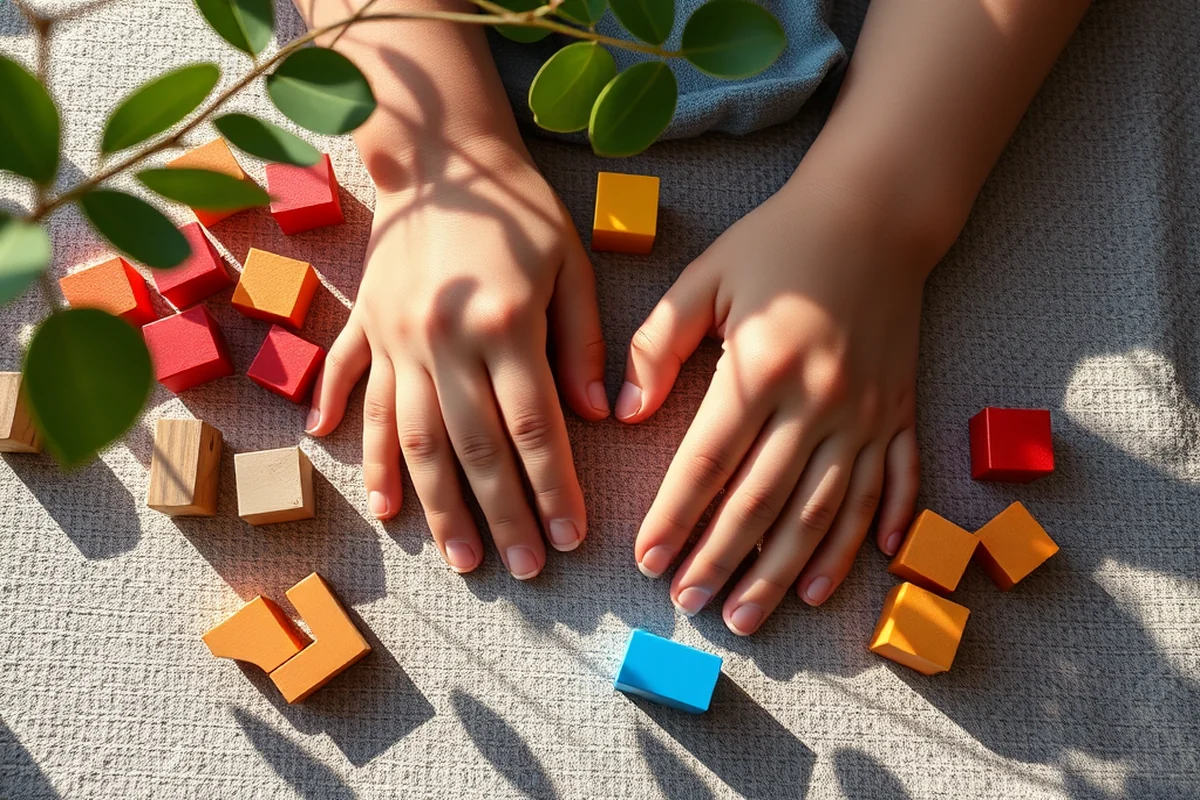
One of the things I learned early on is that not all children learn in the same way. For example, some children may need more visual support, while others may benefit from hands-on activities. I started making worksheets that had large, bold letters and simple images to help my daughter with her reading skills.
I also discovered that some children benefit from having the opportunity to move around while learning. To accommodate that, I created a worksheet that involved cutting out shapes and pasting them onto a larger paper. This activity helped my daughter develop her fine motor skills while also learning about shapes and colors.
By making small adjustments to the worksheets, I was able to help my daughter learn at her own pace and in a way that felt comfortable and natural for her. It was a great reminder that learning doesn’t have to be one-size-fits-all — it can be as unique and personalized as the child themselves.
How to Store and Reuse Your DIY Worksheets
One of the challenges I faced early on was keeping track of all my worksheets and making sure I didn’t lose them. To solve this, I started using a file folder system with different categories, like “Math,” “Reading,” and “Science.” This made it easy to find the worksheets I needed and helped me organize my materials more efficiently.
I also discovered that laminating the worksheets was a great way to make them reusable. This allowed me to use the same worksheet multiple times without worrying about it getting damaged. I used a small laminator I bought at a local office supply store, and it was well worth the investment.
Finally, I found that storing the worksheets in clear plastic folders made it easy to see what was inside and helped me keep everything organized. I also made a habit of reviewing and updating the worksheets every few weeks to make sure they were still relevant and useful.
🍂 Seasonal Themed Worksheets
Create worksheets based on the seasons, like fall leaves or winter snowflakes, to keep learning fun and timely.
🔢 Alphabet & Numbers Focus
Make worksheets that focus on letter recognition, phonics, and basic math concepts like counting and shapes.
📄 No-Prep Activity Sheets
Print and use immediately with no cutting or laminating needed — great for busy parents or teachers.
👥 Group Learning Pack
Design worksheets that can be used in group settings, like matching games or collaborative drawing activities.
🎯 Extension Activities
Add challenge with extension activities like puzzles, sorting, or tracing letters and shapes with a fine-tipped marker.
| The mistake | Why it happens | The fix |
|---|---|---|
| Using too much text on the worksheet | This can overwhelm young learners and make the worksheet less effective. | Keep the text minimal and use plenty of visuals to support the learning objectives. |
| Not testing the worksheet with your child | It’s easy to assume a worksheet will work without seeing it in action. | Try the worksheet with your child first, and be ready to make changes based on their feedback and engagement. |
| Overcomplicating the activity | Children need clear instructions and simple tasks to stay focused and interested. | Use simple language and focus on one concept at a time. Break the activity into smaller, manageable parts. |
| Not allowing for creativity or free play | Some children need more hands-on or interactive learning styles. | Mix up the activities to include drawing, tracing, matching, and even movement to keep your child engaged and motivated. |
Diy Budget Kindergarten Worksheets
Common Questions
Can I use these worksheets for multiple children?
How do I make sure the worksheets are age-appropriate?
What if I don’t have a printer?
How long should each worksheet session last?
References
Cite this guide
Kinderpractice (2026). Diy Budget Kindergarten Worksheets. https://kinderpractice.com/diy-budget-kindergarten-worksheets/
Feel free to cite or share this guide.