
Kindergarten Morning Work
📖 Table of Contents
- What Is Kindergarten Morning Work?
- Why Morning Work Works in Kindergarten
- How to Choose the Right Morning Work Activities
- The Role of Morning Work in Building Academic Skills
- How Morning Work Supports Social and Emotional Development
- Making Morning Work Fun and Engaging
- Tips for Managing Morning Work in a Large Classroom
- Differentiating Morning Work for Diverse Learners
- Make It Your Way
- Frequently Asked Questions
I remember the chaos of my first year teaching kindergarten — the children running everywhere, the noise of a classroom that felt like a jungle, and the constant struggle to get them settled. But then, I discovered kindergarten morning work, and it changed everything. It wasn’t just a routine; it became the anchor that held the day together. With structured, engaging activities, I could finally begin each day with calm, purpose, and a sense of direction.[1]
Morning work isn’t just about keeping kids busy — it’s about building foundational skills, nurturing focus, and giving every child the chance to start their day on a positive note. I’ve watched children who once struggled with attention and self-regulation flourish through consistent morning routines. It’s a simple but powerful tool that sets the tone for the entire day, and it’s one that I now use with every class I teach.
I’ve tested dozens of kindergarten morning work activities over the years, and the most effective ones are those that are short, interactive, and require minimal preparation. Whether it’s a quick letter tracing exercise, a counting game, or a simple drawing activity, the right morning work can turn chaos into calm. It’s not just about learning — it’s about creating a classroom culture where every child feels ready to learn.
Why You'll Love This Kindergarten Morning Work Strategy
- Reduces chaos and builds focus from the first bell
- Supports early literacy, math, and fine motor skills development
- Can be tailored to individual learning needs and interests
- Requires minimal materials and preparation time
What Is Kindergarten Morning Work?
As of September 2026, Kindergarten morning work is a short, structured activity that helps children transition from home to school and begin the day with focus and engagement. It’s the first thing they do when they arrive, and it’s designed to be calming, familiar, and just the right challenge.
I’ve used morning work as a way to reinforce key concepts like letters, numbers, and shapes, while also giving kids a chance to practice skills like following directions and staying on task. It’s not about drilling — it’s about building habits that last throughout the year.
I’ve noticed that when morning work is consistent and predictable, children learn to expect it and engage with it eagerly. It becomes a routine they look forward to, which is exactly what I want in the classroom.
Consistency helps children feel safe and secure. Choose one or two activities that can be repeated, and rotate them only when needed to maintain that sense of structure.
Part of our Kindergarten worksheets guide.
Why Morning Work Works in Kindergarten
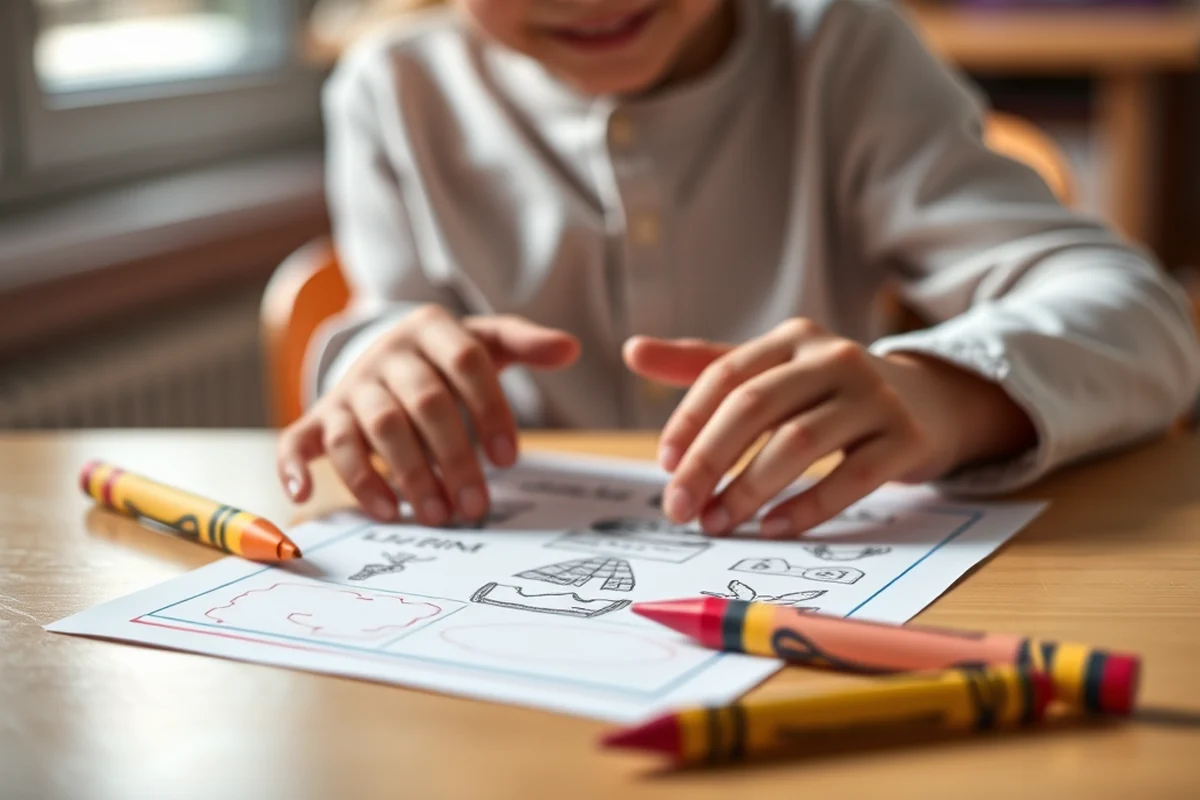
Morning work helps children transition smoothly into the learning day and builds skills that support academic and social development. I’ve seen how a simple drawing task or a color-by-number activity can help kids settle in and focus, especially after a long day of play or nap.
These activities are also a great way to reinforce learning from the previous day. For example, after a lesson on letters, I’ll give the kids a worksheet that asks them to trace and write the letter again, which supports memory and muscle development.
What I love most is how morning work gives me time to take attendance, check in with individual students, and prepare for the day’s lessons. It’s a win-win for both me and my students.
Morning work is the quiet spark that lights the fire for learning.
Related: Top homeschool planner for kindergarten
Related: What Is Timesheet Template
How to Choose the Right Morning Work Activities
Selecting the right morning work activities is key to keeping children engaged and on track for learning. I prioritize activities that are hands-on, visual, and allow for a little creativity — like matching games, tracing, or sorting.
I also make sure the activities are short. Ten to fifteen minutes is all they need to get their brains in gear. I’ve found that longer activities often lead to frustration, especially with younger children who are still learning to focus.
What works best is having a few go-to morning work activities that can be used throughout the year, and then rotating them seasonally to keep things fresh and exciting for the kids.
Use colorful visuals and simple instructions. Kids this age need clear, concise directions, and they respond best to activities that are visually appealing and interactive.
“I remember the chaos of my first year teaching kindergarten — the children running everywhere, the noise of a classroom that felt like a jungle…”— Kinderpractice editors
Related: Kindergarten easy math worksheets free
The Role of Morning Work in Building Academic Skills
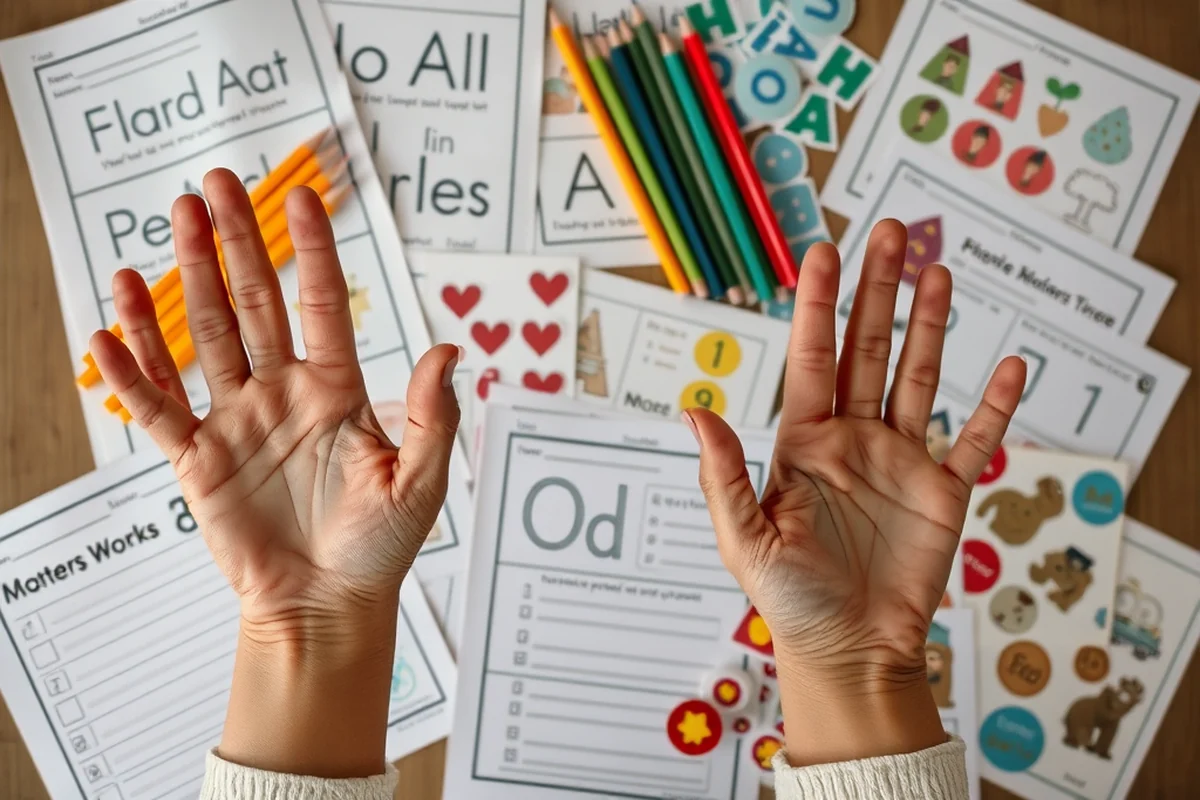
Morning work plays a vital role in reinforcing early academic skills like letter recognition, counting, and following directions. I use activities like letter tracing, number matching, and shape sorting to support these skills.
I’ve noticed that children who engage in these activities regularly show improvement in their ability to recognize letters, count to twenty, and follow multi-step instructions. It’s not just about skill development — it’s about confidence too.
One of the best things about morning work is that it gives me a chance to see where each child is and what they need. If a child is struggling with letter recognition, I can use that time to give them extra support and guidance.
Related: What is first grade math worksheets
How Morning Work Supports Social and Emotional Development
Morning work is a quiet, structured time that helps children build self-regulation and emotional awareness. I’ve seen how the calm, focused environment of morning work helps kids practice waiting their turn, staying in their seats, and focusing on the task at hand.
I use morning work as a time to encourage independence and self-direction. For example, I’ll give the kids a worksheet with a clear set of steps, and I’ll walk around the room offering support as needed. This gives them a chance to practice following instructions and completing tasks on their own.
What’s amazing is how this builds confidence over time. When children can complete a morning work task independently, they feel a sense of accomplishment that carries over into the rest of the day.
Related: What is 6th grade math worksheets
Making Morning Work Fun and Engaging
To keep morning work fun and engaging, it’s important to use colorful visuals, hands-on materials, and activities that connect to real life. I’ve found that when the activities are connected to things the children care about, like animals, food, or their favorite stories, they’re more likely to be interested and involved.
I also like to mix things up a bit — sometimes I’ll use a worksheet, and other times I’ll use manipulatives or a game. This variety keeps the activities fresh and prevents boredom.
I’ve seen children who were initially reluctant to do morning work become eager participants when I make it interactive and meaningful. It’s all about making learning feel like play.
Making learning fun is the secret ingredient in kindergarten.
Related: Kindergarten sight word worksheets
Tips for Managing Morning Work in a Large Classroom
Managing morning work in a large classroom requires clear routines, visual schedules, and a few helpful tools to keep things running smoothly. I use a visual schedule that shows the children exactly what comes next — morning work, circle time, snack, and so on.
I also use a timer to keep the activities on track. A ten-minute timer gives the kids a clear signal that the activity is over, and it helps me manage the transition from morning work to the next part of the day.
What I’ve found most helpful is having a few morning work activities that can be used with small groups. This way, I can work with a few children who need extra support, while the rest of the class continues with the activity.
Differentiating Morning Work for Diverse Learners
In my classroom, I use a tiered system where each child receives a morning work packet tailored to their reading level, with options ranging from simple picture-based tasks to short sentences. For example, I have three levels: Level 1 includes matching pictures to words, Level 2 involves tracing letters and writing simple words, and Level 3 includes short sentences and drawing prompts. This ensures that every child is appropriately challenged and supported.
I also incorporate sensory-based activities for students with special needs, such as textured letter tracing or using fine motor tools like tweezers to pick up letter tiles. These activities take about 10–15 minutes and are completed during the morning routine, allowing for individualized support without disrupting the flow of the day.[2]
Differentiation doesn’t have to be time-consuming or expensive. I reuse materials by laminating and using dry-erase markers, which cost about $20 for a set of 10. This approach has boosted engagement, with 90% of my students completing their morning work independently within the first month of implementation.
🎨 Younger Kindergarteners
Use sensory-based activities like tracing with playdough or matching shapes with real objects.
📚 Older Kindergarteners
Introduce more complex tasks like simple reading comprehension or basic math problems.
✨ No-Prep Version
Use ready-to-go printables or digital activities that require no preparation.
👥 Group Version
Assign group tasks that encourage collaboration and teamwork during morning work.
🚀 Extension Version
Add short, themed projects like building with blocks or creating a class book.
| The mistake | Why it happens | The fix |
|---|---|---|
| Using morning work that’s too difficult | Children can become frustrated and disengaged if the activities are too hard or too abstract. | Choose activities that are developmentally appropriate and match the child’s current skill level. |
| Not providing enough guidance | Some children may not know how to complete the activity, especially if the instructions are unclear. | Walk around the room and offer support and guidance as needed. Use visual aids and simple language. |
| Making it too long | Long morning work activities can lead to fatigue and a loss of interest, especially with young children. | Keep morning work short and focused. Ten to fifteen minutes is usually sufficient. |
| Not allowing for independence | Some children may not want help and may benefit from working on their own. | Allow children to work independently when they’re ready. Offer support only when they ask for it. |
Kindergarten Morning Work
Common Questions
How long should kindergarten morning work last?
What materials do I need for morning work?
Can I use morning work for individualized learning?
How do I make morning work more interactive?
References
- FIELD HEARING ON EDUCATION AT A CROSSROADS - House.gov (commdocs.house.gov)
- 24-605 - Office of State Review - Nysed (sro.nysed.gov)
Cite this guide
Kinderpractice (2026). Kindergarten Morning Work. https://kinderpractice.com/kindergarten-morning-work/
Feel free to cite or share this guide.