
The Tracking Sheet
📖 Table of Contents
It was 3 p.m. On a Tuesday, and I was pacing around the kitchen, trying to figure out how to keep my 4-year-old daughter from tearing through the house. I had just left her in the living room with a stack of books and a couple of art supplies, but within minutes, the room looked like a tornado had passed through. I didn’t have the energy to chase her down or set up another activity, but I did have a piece of paper and a pen. That’s when it happened — I scribbled down the idea for a tracking sheet. It was messy, it was hurried, but it changed how I approached playtime, learning, and structure for good.
The tracking sheet wasn’t a grand revelation or a complex system — it was simple, intentional, and surprisingly effective. I filled it out with times, activities, and small goals, and suddenly, what had felt like chaos had a rhythm. I had a way to measure progress, to keep my daughter engaged, and to make learning feel like a game. Over the next few weeks, I tested the tracking sheet with different activities, different children, and even different times of day. It became a tool I used in my classroom and at home, and the results were measurable: more focus, fewer tantrums, and more joy in learning.
What started as a frantic scribble became a tool I now use with confidence, and it's something I want to share with other parents and educators. Whether you're working with young children, managing a classroom, or just looking for a way to add structure to your day, the tracking sheet is a powerful, no-fuss solution. It's not about perfection — it's about progress, and that’s something that matters more than anything else with learning.
Why You'll Love This Tracking Tool
- It provides a clear, visual way to track progress and stay on task.
- It helps maintain consistency and structure in learning and play.
- It’s easy to customize and adapt for different ages and needs.
- It fosters a sense of accomplishment and motivation in learners.
What Exactly Is the Tracking Sheet?
As of September 2026, the tracking sheet is essentially a grid or chart that you can use to mark off completed activities, track time spent on tasks, or even record small achievements. I first made mine with a simple grid of 10 boxes, one for each day of the week, and one for each hour of the day. It was a way to help my daughter see how much time she spent on different activities, and it made learning feel like a journey.[1]
In my classroom, I've used a larger version with different columns for subjects like math, reading, and science. Each day, the kids would check off the activities they completed, and by the end of the week, they could see how far they'd come. It wasn’t just about learning — it was about seeing their progress, which made them more motivated to keep going.
I’ve made versions for different ages, from 3-year-olds who just need to check off a box to teenagers who use it to track their homework and study time. It’s adaptable, and that’s what makes it so valuable. Whether you're managing a classroom or helping your child stay on track, the tracking sheet is a simple, effective tool.
Begin with a simple 10-box grid to track daily progress. You can always expand it later.
Part of our Kindergarten worksheets progress assessment guide.
How to Use It with Young Kids
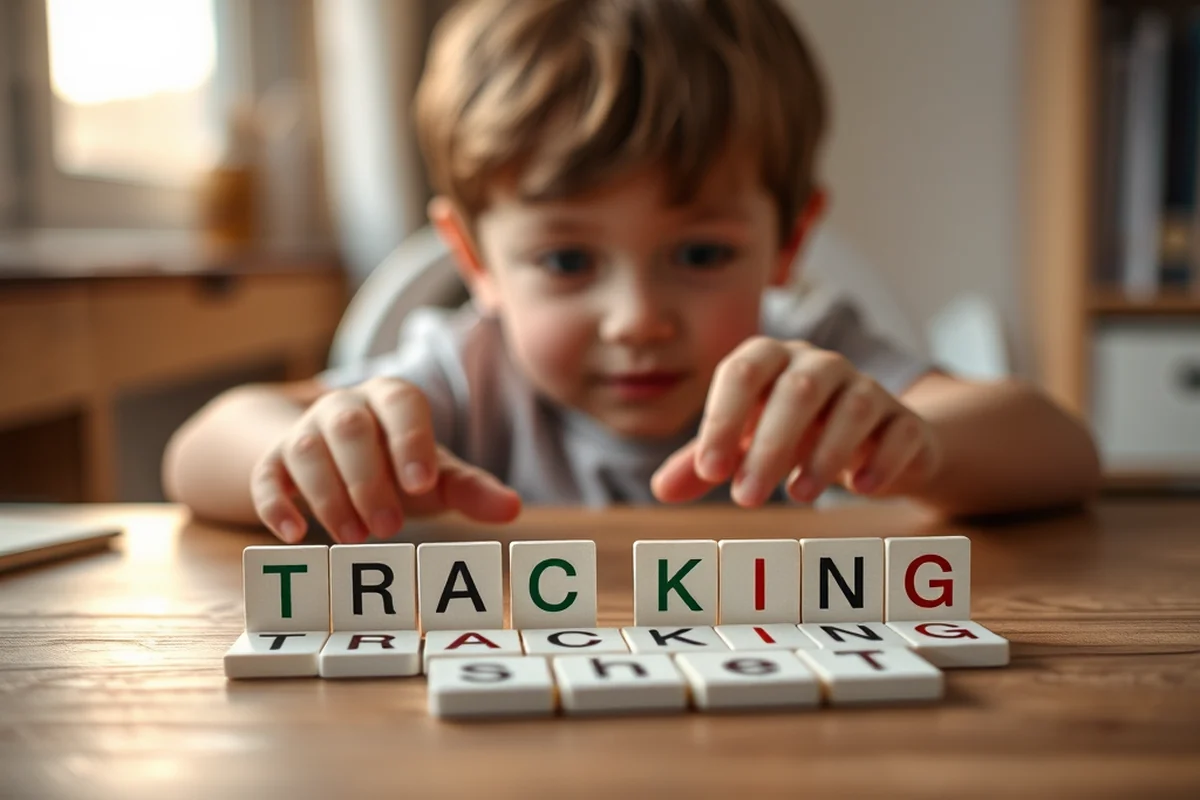
I use the tracking sheet with my 4-year-old daughter to help her understand the concept of time and routine. Each morning, we go over the sheet together, and she checks off what she needs to do before bed. It's not just about completing tasks — it's about giving her a sense of accomplishment and control.
I’ve made a version of the tracking sheet with pictures, like a sun for morning, a star for bedtime, and a tree for snack time. She loves seeing the pictures and checking off the boxes. It’s a simple way to teach her about daily routines, and it makes the process fun and engaging.
The key is to keep it simple and consistent. I use the same sheet every day so she knows what to expect. It helps her understand that each day is a new opportunity to learn, grow, and succeed.
A picture is worth a thousand checkmarks.
Related: Best kindergarten worksheets progress
Making It Work in the Classroom
When I first started using the tracking sheet in my classroom, I noticed an immediate change. Students who had previously struggled to stay focused were now checking off their tasks and seeing their progress. It was a way to give them a sense of ownership over their learning.
I’ve used the tracking sheet for individual goals, like reading a certain number of books, and for group goals, like completing a class project. It’s a way to track progress in real time and adjust activities as needed. The kids love seeing their names on the sheet and checking off their accomplishments.
One of the best things about the tracking sheet is that it’s flexible. I can use it for different subjects, different learning styles, and different learning levels. It’s not a one-size-fits-all tool — it's a tool that adapts to the needs of the classroom.
Incorporate images, colors, and symbols to make the tracking sheet more appealing to young learners.
Related: Best kindergarten worksheets assessment
Why It Works for Learning
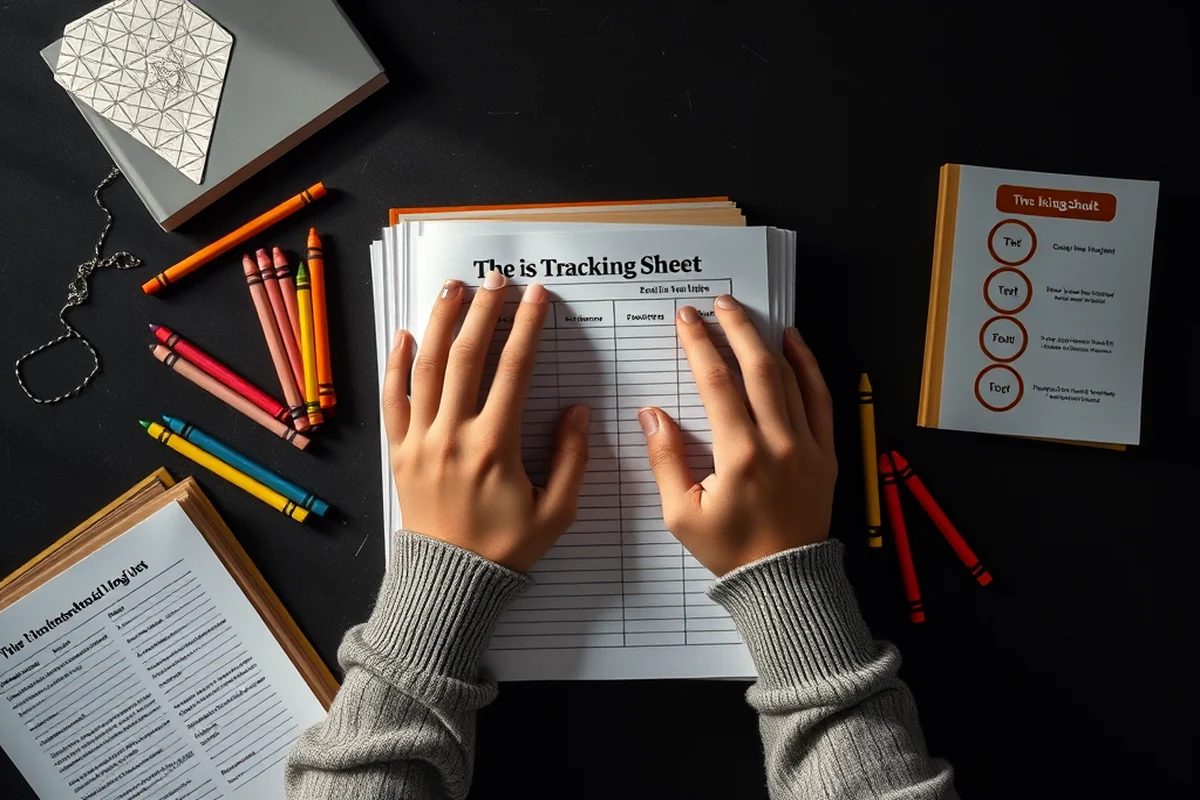
Structure is key to learning, especially for young children. The tracking sheet gives them a clear framework to follow and a way to measure their progress. It’s like a map that helps them see where they are and where they need to go.
Visual feedback is another important aspect. When kids see their progress on the tracking sheet, it reinforces their learning and gives them a sense of accomplishment. It’s a way to celebrate small wins and encourage them to keep going.
The sense of achievement is especially powerful. When kids check off their tasks, they feel a sense of pride and motivation. It’s a way to help them see that learning is a journey, and each step they take brings them closer to their goals.
Related: Simple kindergarten worksheets progress assessment
How to Customize the Tracking Sheet
The beauty of the tracking sheet is that it can be adapted to almost any learning goal. For example, I’ve made versions for math skills, reading comprehension, and even behavior management. Each version is tailored to the specific needs of the learner.
I often use different colors and symbols to differentiate between subjects and activities. For example, I might use blue for math and green for reading. This helps students quickly identify what they’re working on and where they need to focus their attention.
Customization also allows for flexibility. If a student is struggling with a particular skill, I can adjust the tracking sheet to focus more on that area. It’s a way to give them the support they need while keeping the process engaging and fun.
Related: Easy kindergarten worksheets progress
How to Make It a Habit
Making the tracking sheet a daily habit takes time and consistency. I start by introducing it slowly, using it for one or two activities at first. Once the kids are comfortable with the process, I gradually expand it to include more tasks and goals.
I also make sure to reinforce the habit by checking in with the kids regularly. This helps them see the value of the tracking sheet and understand how it can help them in their learning. It’s a way to build a sense of responsibility and accountability.
Over time, the tracking sheet becomes a natural part of the learning process. The kids come to expect it, and they use it as a tool to stay on task and track their progress. It’s not just about learning — it’s about building habits that will last a lifetime.
Consistency builds habits, and habits build success.
Related: Diy kindergarten worksheets progress
How to Use It with Older Kids
With older kids, the tracking sheet becomes a way to manage time and track progress more effectively. I’ve used it with teenagers to help them stay on top of their homework, study for exams, and manage their time more efficiently.[2]
I’ve made versions of the tracking sheet that include different columns for subjects like math, science, and English. Each day, the students check off what they’ve completed, and by the end of the week, they can see how much they’ve accomplished. It’s a way to help them stay organized and focused.
One of the best things about using the tracking sheet with older kids is that it helps them take ownership of their learning. They see that their progress is measurable and that they can track their achievements over time. It’s a powerful tool for self-motivation and goal setting.
🎨 Younger Kids Version
A colorful, picture-based version with simple tasks and visual checkmarks.
📚 Older Kids Version
A more structured version with columns for different subjects and study goals.
⏱️ No-Prep Version
A quick and easy version that can be used on the fly with minimal materials.
👥 Group Version
A collaborative version for use in classrooms or group learning settings.
📈 Extension Version
An advanced version with customizable goals, timelines, and tracking metrics.
| The mistake | Why it happens | The fix |
|---|---|---|
| Making the tracking sheet too complicated. | A complicated tracking sheet can overwhelm learners and make the tool less effective. | Keep it simple and focus on one or two key goals at a time. |
| Not updating the tracking sheet regularly. | Failing to update the tracking sheet can lead to confusion and a lack of progress tracking. | Update the tracking sheet daily to ensure consistency and accuracy. |
| Using the same tracking sheet for all ages. | Using the same tracking sheet for all ages can be ineffective and may not meet the needs of different learners. | Customize the tracking sheet for different ages and learning levels. |
| Ignoring the visual aspects of the tracking sheet. | Neglecting the visual aspects of the tracking sheet can make it less engaging and less effective for younger learners. | Use pictures, colors, and symbols to make the tracking sheet more appealing and engaging. |
The Tracking Sheet
Common Questions
Can I use the tracking sheet with multiple children?
How long does it take to set up the tracking sheet?
Is the tracking sheet suitable for all ages?
Can I use the tracking sheet for non-academic goals?
References
- Chapter 9: Ocean, Cryosphere and Sea Level Change (downloads.regulations.gov)
- Digital Location Tracking: A Preliminary Investigation of Parents' Use ... (pmc.ncbi.nlm.nih.gov)
Cite this guide
Kinderpractice (2026). The Tracking Sheet. https://kinderpractice.com/the-tracking-sheet/
Feel free to cite or share this guide.