
What Is A Cost Worksheet
📖 Table of Contents
- What Exactly Is a Cost Worksheet?
- Why Every Educator Should Use a Cost Worksheet
- How to Create a Cost Worksheet
- The Benefits of a Cost Worksheet for Educators
- Common Mistakes to Avoid When Creating a Cost Worksheet
- How to Use a Cost Worksheet for Long-Term Planning
- How to Customize a Cost Worksheet for Your Needs
- Make It Your Way
- Frequently Asked Questions
I remember the first time I tried to plan a school field trip without a cost worksheet. I had a list of destinations, a vague idea of what the day would look like, and a budget that felt like a number I pulled out of a hat. By the end of the day, I was staring at a spreadsheet full of red numbers and a growing sense of panic. That’s when I realized: without a cost worksheet, even the best-laid plans can go off the rails. A cost worksheet isn’t just a tool—it’s a lifeline for educators who want to make smart, informed decisions that don’t break the bank.
A cost worksheet is a structured way to track and manage expenses for any educational project, field trip, classroom activity, or even a school-wide initiative. It’s not about being overly meticulous or micromanaging every dollar—it’s about clarity, transparency, and control. When I first started using one, I was amazed at how quickly I could see where money was going and where it wasn’t. It gave me the confidence to say 'no' to things that didn’t align with my goals and 'yes' to investments that truly mattered. It was one of the most practical tools I ever adopted as a teacher.
If you’ve ever sat in a meeting where someone said, 'We’ll get back to you on the cost,' and you left feeling uncertain, you’ll understand why a cost worksheet is essential. I’ve used them for classroom decorations, guest speakers, technology purchases, and even teacher training workshops. Every time, the worksheet revealed hidden costs, unexpected savings, and a clearer picture of what was possible within my budget. It’s not about being cheap—it’s about being intentional and informed. That’s the power of a cost worksheet, and that’s what I’m here to explain.
Why You'll Love This Tool
- It helps you avoid last-minute budget surprises.
- It makes funding decisions more transparent and fair.
- It ensures resources are used efficiently and effectively.
- It empowers educators to make informed financial choices.
What Exactly Is a Cost Worksheet?
As of October 2026, at its core, a cost worksheet is a simple tool. It breaks down all the costs associated with an educational project—whether that’s a classroom field trip, a guest speaker visit, a new curriculum purchase, or even a classroom renovation. It starts with a line item for each expense, from transportation and materials to food and supplies. I’ve created worksheets that include things like the cost of printing materials, the hourly rate of a consultant, or even the price of a single pencil. Each item is clearly labeled, and the total is summed up so you can see the full picture.
One of the most powerful aspects of a cost worksheet is that it forces you to think critically about where your money is going. When I first started using one, I realized that the cost of a field trip wasn’t just about the admission fee—it also included transportation, food, insurance. Even the time teachers spent planning. That’s when I stopped being surprised by unexpected expenses and started budgeting more effectively. The worksheet became a way to hold myself accountable and make sure every dollar was spent with purpose.
What I love most about a cost worksheet is that it’s a tool you can adapt to any situation. Whether you’re managing a school budget or planning a single activity, the worksheet ensures you don’t miss a single detail. I’ve used them for small classroom projects with a budget of $50 and for large-scale events with budgets in the thousands. Every time, the worksheet helped me see the big picture and make smarter choices.[1]
Before you begin your worksheet, write down the purpose of the project or activity. This will help you stay focused on what matters most and avoid unnecessary costs.
Part of our Budget kindergarten worksheets guide.
Why Every Educator Should Use a Cost Worksheet

I’ve learned that one of the biggest mistakes educators make is underestimating the cost of their projects. Whether it’s a new science lab, a classroom renovation, or even a single teacher training workshop, the cost of each component can add up quickly. A cost worksheet helps you see where money is going and where you can make adjustments. I once had a teacher who wanted to bring in a guest speaker for a school assembly. She had the speaker’s fee in mind. When she created a cost worksheet, she realized she needed to budget for travel expenses, a technician for the audiovisual equipment, and even a backup speaker in case the original one couldn’t make it. That worksheet saved us a lot of money.
Another reason a cost worksheet is essential is that it helps you track your spending over time. I’ve used one to monitor the cost of a school-wide initiative over the course of an academic year. By reviewing the worksheet regularly, I was able to see which areas were overbudget and which were underused. This allowed me to make informed decisions about where to reallocate funds and where to cut back. It’s like having a financial roadmap that keeps you on track and ensures your budget is used wisely.
Finally, a cost worksheet is a great tool for transparency. When you share your worksheet with your team or your administration, it shows that you’re being responsible and accountable with your budget. I once had a parent ask me, 'Where is the money going for the new school garden project?' When I showed them the cost worksheet, they saw exactly what was being spent and how it aligned with the project’s goals. It was a powerful moment that reinforced the value of being transparent with stakeholders.
A cost worksheet is your financial roadmap to better budgeting.
Related: Kindergarten worksheets budget ideas
How to Create a Cost Worksheet
The first step in creating a cost worksheet is to define the scope of your project. Whether it’s a classroom activity or a school-wide event, you need to be clear on what you’re trying to achieve. Once you have a clear goal, you can start listing all the items that will be needed to complete the project. I’ve created worksheets that include everything from supplies and equipment to labor and transportation. Each item is listed with a brief description and an estimated cost.
Once you’ve listed your items, it’s time to assign a cost to each one. This is where a lot of people get tripped up. It’s easy to forget about small expenses like printing materials or the cost of a single pencil, but those can add up quickly. I once created a cost worksheet for a classroom science fair and realized that the cost of the materials alone was over $200—mostly because I had underestimated the number of supplies needed. That’s why I always recommend that you double-check your estimates and consult with others who have experience with similar projects.
After you’ve assigned costs to each item, you can begin tracking your spending as you go. This is where the worksheet becomes a living document that evolves with your project. I’ve used this approach for a school-wide technology initiative where we had to purchase a variety of devices and software. By tracking our spending in real time, we were able to stay within budget and make adjustments as needed. It’s a simple but effective way to keep your project on track and ensure that your resources are used wisely.
Don’t try to create a cost worksheet in isolation. Ask your colleagues, parents, or even students to help you identify potential costs and provide input on your budget.
“I remember the first time I tried to plan a school field trip without a cost worksheet.”— Kinderpractice editors
Related: Affordable budget kindergarten worksheets
The Benefits of a Cost Worksheet for Educators
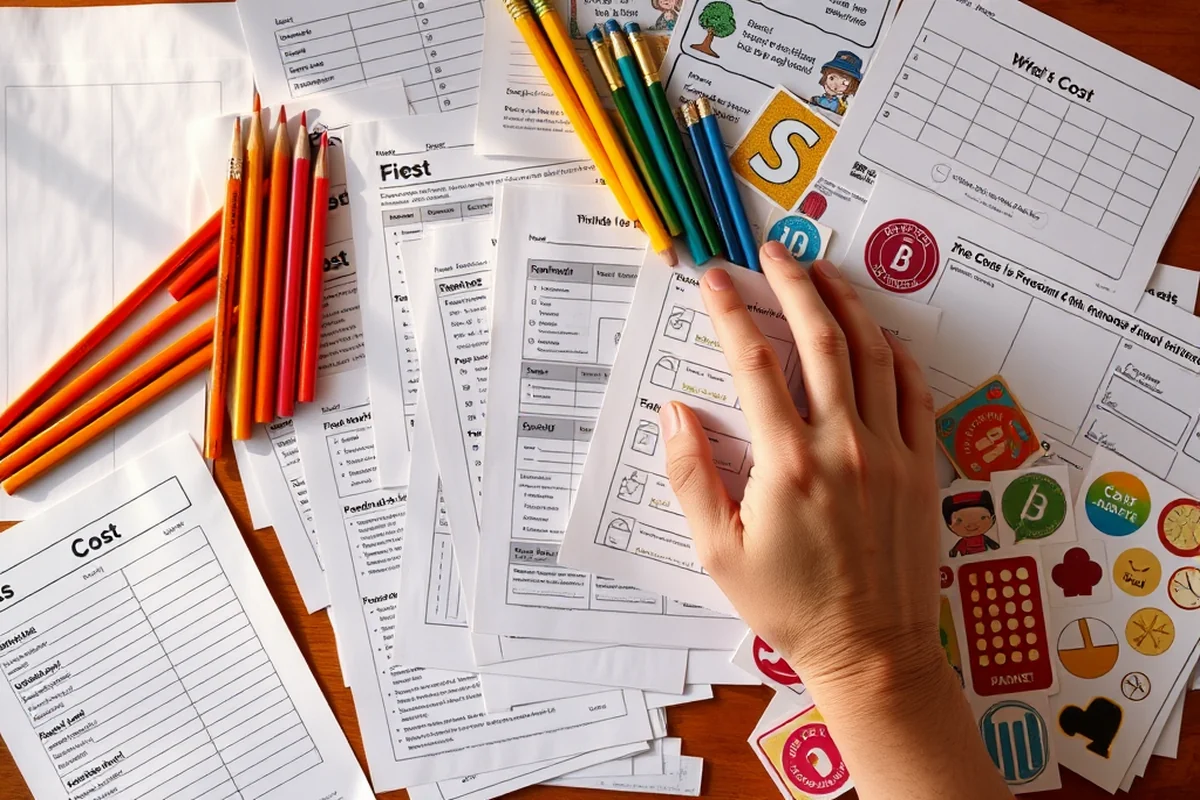
One of the most immediate benefits of a cost worksheet is that it helps you stay within your budget. I’ve used one to manage a classroom budget that was initially set at $500. By creating a detailed worksheet, I was able to see exactly where the money was going and where I could make adjustments. For instance, I realized that the cost of printing materials was higher than I had anticipated, so I decided to use digital resources instead. That small change saved me hundreds of dollars and allowed me to invest in other areas that were more important.
Another benefit of a cost worksheet is that it helps you identify areas where you can save money. I once had a teacher who was planning a field trip and was worried about staying within the budget. After creating a cost worksheet, she realized that the transportation costs were much higher than she had expected. She was able to negotiate with the bus company and even find an alternative route that saved the school over $200. That’s the kind of savings that can make a real difference in a school’s budget.[2]
Finally, a cost worksheet helps you make more informed decisions about your spending. I’ve used one to evaluate the cost of a new educational program that was being considered by the school board. By creating a detailed worksheet, we were able to see exactly how much the program would cost and whether it was worth the investment. That level of transparency helped us make a more informed decision and ensured that the school’s resources were used wisely.
Related: Easy kindergarten worksheets budget
Common Mistakes to Avoid When Creating a Cost Worksheet
One of the most common mistakes I see is underestimating the cost of a project. Whether it’s a classroom activity or a school-wide initiative, it’s easy to forget about the small expenses that can add up over time. I once created a cost worksheet for a classroom science fair and realized that the cost of the materials alone was over $200—mostly because I had underestimated the number of supplies needed. That’s why it’s important to be thorough when creating your worksheet and to consult with others who have experience with similar projects.[3]
Another mistake is failing to track your spending in real time. I’ve seen many educators create a detailed worksheet at the beginning of a project and then lose track of their spending as the project progresses. This can lead to unexpected surprises later on. I once had a teacher who created a cost worksheet for a field trip but didn’t track her spending as the project unfolded. By the time the trip was over, she was way over budget and had to make last-minute cuts that affected the quality of the experience. That’s why it’s important to use your worksheet as a living document that evolves with your project.
Finally, I’ve seen educators make the mistake of not consulting others when creating their cost worksheets. It’s easy to assume that you know all the costs associated with a project, but there are often hidden expenses that you might not be aware of. I once had a school administrator who created a cost worksheet for a new school building project without consulting the contractors. By the time the project was underway, there were unexpected costs that weren’t accounted for in the worksheet. That’s why it’s important to involve others in the process and to be open to feedback.
Related: Affordable kindergarten worksheets budget
How to Use a Cost Worksheet for Long-Term Planning
One of the most powerful ways to use a cost worksheet is for long-term planning. Whether you’re managing a school budget or planning a classroom initiative, having a detailed worksheet can help you track your spending over time and make informed decisions about where to allocate your resources. I’ve used this approach for a school-wide technology initiative where we had to purchase a variety of devices and software. By tracking our spending in real time, we were able to stay within budget and make adjustments as needed.
Another way to use a cost worksheet for long-term planning is to compare your spending across different projects and initiatives. I once had a school administrator who used a cost worksheet to evaluate the cost of various educational programs over the course of an academic year. By reviewing the worksheet regularly, he was able to see which areas were overbudget and which were underused. This allowed him to make informed decisions about where to reallocate funds and where to cut back. It’s a powerful way to ensure that your resources are being used effectively.
A cost worksheet is your financial roadmap to better budgeting.
Related: Excel online free
How to Customize a Cost Worksheet for Your Needs
One of the best things about a cost worksheet is that it can be customized to fit your specific needs. Whether you’re managing a classroom budget or planning a large-scale event, you can tailor your worksheet to reflect the unique requirements of your project. I’ve created worksheets that include everything from supplies and equipment to labor and transportation. Each item is listed with a brief description and an estimated cost.
When customizing your worksheet, it’s important to be as detailed as possible. I’ve found that the more specific you are about each expense, the more effective your worksheet will be. For example, if you’re planning a field trip, you might include line items for transportation, food, insurance, and even the time teachers spend planning. By breaking down each component, you can see where your money is going and where you can make adjustments.
Finally, it’s important to review and update your worksheet regularly. I’ve used this approach for a school-wide technology initiative where we had to purchase a variety of devices and software. By reviewing our worksheet regularly, we were able to stay within budget and make adjustments as needed. It’s a simple but effective way to keep your project on track and ensure that your resources are used wisely.
🧳 Classroom Field Trip Budget
Use this worksheet to plan and manage the costs of a classroom field trip, including transportation, admission fees, and food.
🎤 Guest Speaker Visit
Track the costs of inviting a guest speaker, including their fee, travel expenses, and any materials needed for the event.
📝 No-Prep Classroom Budget
A quick and easy cost worksheet for educators who need a simple way to track expenses without extensive planning.
🤝 Group Learning Initiative
Use this worksheet when planning a group learning initiative, such as a school-wide project or community-based learning activity.
💻 Technology Purchase Plan
Customize this worksheet to plan and track the costs of purchasing educational technology, such as devices, software, or training.
| The mistake | Why it happens | The fix |
|---|---|---|
| Not tracking expenses in real time | Failing to update your worksheet as expenses are incurred can lead to unexpected overspending and budget surprises. | Use your worksheet as a living document and update it regularly as your project progresses. |
| Underestimating small expenses | Small costs, such as printing supplies or travel expenses, can add up and impact your overall budget. | Be thorough when estimating costs and don’t overlook even the smallest expenses. |
| Not involving others in the process | Creating a cost worksheet in isolation can lead to overlooked costs and missed opportunities for savings. | Consult with colleagues, parents, or even students to get a more accurate and comprehensive view of your project’s costs. |
| Not reviewing your worksheet regularly | Failing to review your worksheet regularly can lead to budget overruns and inefficient use of resources. | Set aside time to review your worksheet on a regular basis and make adjustments as needed. |
What Is A Cost Worksheet
Common Questions
How do I get started with a cost worksheet?
Can a cost worksheet be used for small classroom projects?
What if I don’t have access to a spreadsheet program?
How often should I update my cost worksheet?
References
- Closure to Courage Workbook (jmu.edu)
- Highway Safety Benefit-Cost Analysis Tool: Reference Guide (highways.dot.gov)
- Comparative Cost-Effectiveness Analysis to Inform Policy in ... (economics.mit.edu)
Cite this guide
Kinderpractice (2026). What Is A Cost Worksheet. https://kinderpractice.com/what-is-a-cost-worksheet/
Feel free to cite or share this guide.