
What Is 1000 Books Before Kindergarten
📖 Table of Contents
- What Exactly Is '1000 Books Before Kindergarten'?
- The Benefits of Reading 1000 Books Before Kindergarten
- How to Get Started with 1000 Books Before Kindergarten
- Tips for Keeping Your Child Engaged
- How Many Books Can You Actually Read in a Year?
- The Impact of 1000 Books on Learning
- How to Make the Most of the 1000 Books Journey
- Make It Your Way
- Frequently Asked Questions
There I was, standing in a library with my 3-year-old daughter in hand, trying to figure out how to make reading a daily habit. We had books, we had time, but I wasn't sure how to translate that into something meaningful. That’s when I stumbled upon the idea of '1000 Books Before Kindergarten' — a concept that felt both daunting and exciting. It wasn’t just about the number, it was about the journey of discovering stories, building a love for learning, and making reading a joy for my child.[1]
The first time I read 'The Very Hungry Caterpillar' to my daughter, I noticed how her eyes lit up as the pages turned. It was a simple book, but it sparked something in her. She wanted to read more, to learn more, and to explore the world through stories. That’s when I realized that reading wasn’t just about words — it was about connection, imagination, and discovery. The '1000 Books Before Kindergarten' initiative was not about a race, but about creating a habit that would last a lifetime.[2]
I started keeping a log of the books we read — every night, every week, every month. It was surprising how quickly the numbers added up. Within a few months, we had reached 50 books. By the time we hit 100, my daughter was already asking for more. It wasn’t just about the numbers; it was about the conversations we had, the laughs we shared, and the bonds we built through stories. That’s why I want to share this journey with you — because it's a journey worth taking.[3]
Why You'll Love This Reading Journey
- Encourages early literacy and language development
- Strengthens parent-child bonding through shared stories
- Fosters a lifelong love of learning and reading
- Provides a measurable milestone for early childhood education
What Exactly Is '1000 Books Before Kindergarten'?
As of September 2026, the concept is simple: read 1000 books with your child before they turn five. It's not about reading the same book over and over again, but about exploring a wide variety of stories, genres, and subjects. This initiative has gained popularity in recent years, with parents reporting that their children’s vocabulary and comprehension skills have improved significantly.[4]
The program is not limited to any specific type of book. Picture books, chapter books, nonfiction, and even audiobooks count. It’s about the time spent together and the conversations that arise from reading. I remember one night when we read a book about space, and my daughter asked, 'Do astronauts ever get lost?' That was a moment that made me realize the power of reading and curiosity.
One of the most rewarding parts of this journey is watching your child develop into a confident reader. By the time they enter kindergarten, they're already familiar with the rhythm of books, the structure of stories, and the joy of reading. It's a small investment of time that can have a huge impact on their future.
Even reading just one book a day for a year will get you to 365 books. Keep it simple and enjoy the process.
Part of our Kindergarten worksheets by age grade guide.
The Benefits of Reading 1000 Books Before Kindergarten
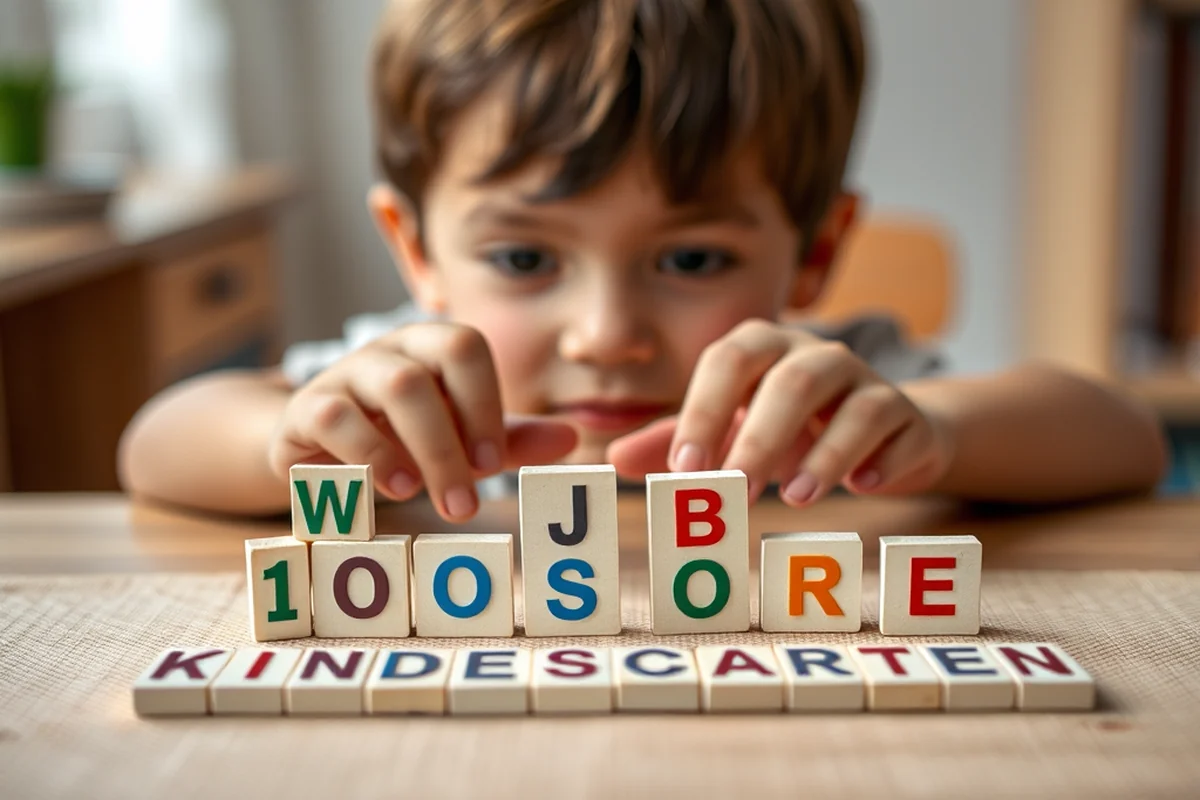
Research from the University of Chicago has found that children who are read to frequently before entering kindergarten have a 30% higher chance of reading at grade level by third grade. This is because early exposure to books helps build vocabulary, phonemic awareness, and comprehension skills.
Beyond literacy, reading also builds emotional intelligence. Books help children understand complex emotions, navigate social situations, and develop empathy. I remember reading a story about a child who was scared of the dark, and my daughter immediately offered to be brave with the character. It was a beautiful moment of empathy.
Reading also helps children develop a sense of curiosity and a love for learning. When children are exposed to a wide range of stories and subjects, they're more likely to pursue knowledge in the future. It’s a powerful way to set the foundation for lifelong learning.
Reading is the gateway to a child's imagination and future.
Related: Kindergarten worksheets by age grade on a budget
How to Get Started with 1000 Books Before Kindergarten
The first step is to find a variety of books that your child will enjoy. Visit your local library, explore bookstores, or even use online platforms like Epic! Or StoryNest to discover new stories. I found that mixing in different genres — from fairy tales to science books — helped keep the experience fresh and interesting.
Next, set a goal. Start with reading one book a day. That’s just 30 minutes of your time each day. It might seem small, but over the course of a year, that’s 365 books. I found that reading in the evenings, after dinner, was the best time for us. It became part of our routine and something we both looked forward to.
Tracking your progress is also important. I used a simple log with my daughter, where we would write down the title of each book we read and mark it off as we went. It was a fun way for her to see how much she had accomplished and how much more there was to explore.
Try reading picture books, chapter books, and audiobooks to keep your child engaged and excited about reading.
“There I was, standing in a library with my 3-year-old daughter in hand, trying to figure out how to make reading a daily habit.”— Kinderpractice editors
Related: Kindergarten worksheets grade guide
Tips for Keeping Your Child Engaged
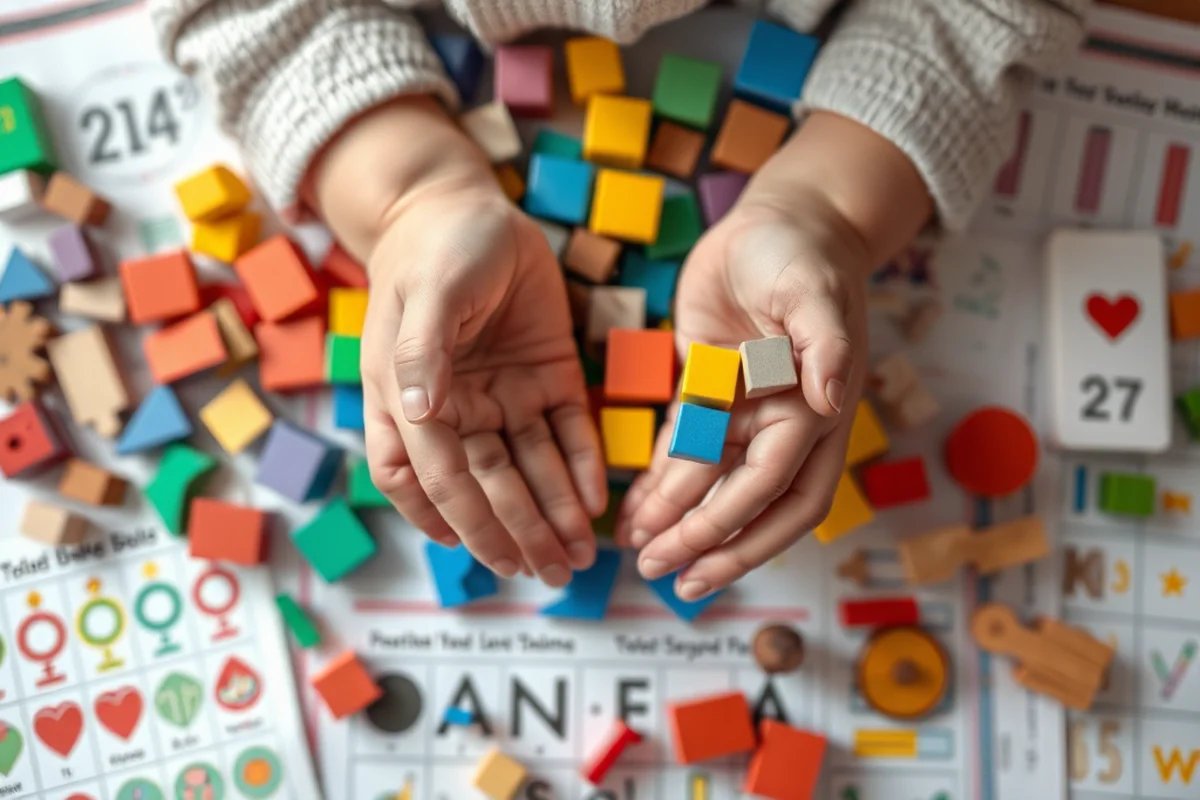
One of the best ways to keep your child engaged is by asking questions as you read. This encourages critical thinking and helps them understand the story better. I remember reading a book about a boy who was trying to find his way home. My daughter asked, 'What would you do if you were lost?' It was a great way to get her thinking about the story and her own experiences.
Another tip is to let your child choose the books they want to read. This gives them a sense of ownership and makes reading more enjoyable. I found that letting my daughter pick a book each week helped her develop a love for reading and gave her a chance to explore different interests.
Reading together also helps build a strong bond between parent and child. It’s a time to talk, laugh, and connect. I found that the best stories were the ones we read together, where we would discuss the characters, the plot, and our own lives. It’s a beautiful way to spend time with your child.
Related: Best kindergarten worksheets grade
How Many Books Can You Actually Read in a Year?
If you read one book a day, you’ll read 365 books in a year. That’s a solid start. But if you read two books a day, you’ll reach 730 books by the end of the year. I found that reading two books a day was manageable for us, and it helped us cover a wide variety of topics and genres.
It’s also worth noting that not all books are the same length. Some books are short and only take a few minutes to read, while others are longer and may take an hour or more. I found that mixing short and long books helped keep the experience balanced and interesting.
Another factor to consider is how much time you have each day. If you’re busy, even reading one book a day can be challenging. But with some planning and flexibility, it’s possible to find a routine that works for your family.
Related: Easy kindergarten worksheets grade
The Impact of 1000 Books on Learning
Children who are read to regularly have a stronger foundation in literacy, which helps them perform better in school. I saw this firsthand with my daughter, who was already recognizing letters and simple words before she even started kindergarten.
In addition to literacy, reading helps children develop critical thinking skills. When they read stories, they learn to analyze characters, predict outcomes, and make connections between different events. I found that my daughter was already asking questions like, 'What do you think will happen next?' and 'Why do you think the character did that?'
Reading also helps children develop a growth mindset. They learn that learning is a lifelong journey and that mistakes are part of the process. It’s a powerful message that can stay with them throughout their lives.
Every book read is a step toward a child’s future success.
Related: Kindergarten worksheets grade examples
How to Make the Most of the 1000 Books Journey
One of the best ways to make the most of this journey is to involve your child in the process. Let them help choose books, create a reading log, and even act out scenes from the stories. It’s a great way to make the experience interactive and fun.
Another tip is to be flexible. Life can be unpredictable, and there will be days when you can’t read a book or when your child isn’t in the mood. That’s okay. The goal is to create a habit, not to be perfect. I found that even on the busiest days, finding five minutes to read was enough to keep the momentum going.
Finally, celebrate the progress you make along the way. Whether it’s reaching 100 books or 500 books, take time to acknowledge the hard work and the joy of reading together. It’s a journey that’s worth every moment.
📖 Baby Book Journey
A version of the 1000 books journey tailored for younger children, using board books and short stories.
📚 Kindergarten Readiness Program
A more advanced version of the program, focusing on literacy skills and preparation for formal schooling.
✨ No-Prep Reading Challenge
A version of the program that requires no planning or preparation — just read and enjoy.
👥 Group Book Reading Club
A social version of the program where families come together to read and share stories.
🎨 Themed Book Reading
A version of the program where books are grouped by theme, such as science, nature, or history.
| The mistake | Why it happens | The fix |
|---|---|---|
| Reading the same book repeatedly | While it’s okay to revisit favorite books, reading the same book over and over can limit your child’s exposure to new stories and vocabulary. | Mix in a variety of books each week to keep the experience fresh and exciting. |
| Only reading during dedicated reading time | Limiting reading to specific times may make it feel like a chore rather than a fun activity. | Incorporate reading into your daily routine, such as during meals, before bedtime, or during quiet moments. |
| Ignoring your child’s interests | Children are more likely to enjoy reading if they have a say in what they read. Ignoring their interests can make the experience feel forced. | Let your child choose books that match their interests, whether it’s dinosaurs, animals, or fairy tales. |
| Not engaging in discussions about the books | Reading without discussion can limit your child’s comprehension and critical thinking skills. | Ask questions, make predictions, and discuss the story to deepen your child’s understanding and engagement. |
What Is 1000 Books Before Kindergarten
Common Questions
Is it necessary to read 1000 books before kindergarten?
How can I keep track of the books we read?
What if I can’t read 1000 books in a year?
Can I use audiobooks for the 1000 books challenge?
References
- 1,000 Books Before Kindergarten | Butte County, CA (buttecounty.ca.gov)
- 1000 Books Before Kindergarten | Cedar Park, TX (cedarparktexas.gov)
- The Summer Before Kindergarten - Early Learning Center for ... (cehhs.utk.edu)
- 1000 Books Before Kindergarten | Kyle Public Library (cityofkyle.gov)
Cite this guide
Kinderpractice (2026). What Is 1000 Books Before Kindergarten. https://kinderpractice.com/what-is-1000-books-before-kindergarten/
Feel free to cite or share this guide.