
The Log Sheet
📖 Table of Contents
- What is a Log Sheet and Why It Works
- How to Create a Log Sheet for Your Child
- Using the Log Sheet for Academic Goals
- The Benefits of a Consistent Log Sheet Routine
- How to Motivate Your Child to Use the Log Sheet
- Tracking Emotions with a Log Sheet
- Extending the Log Sheet Beyond the Classroom
- Make It Your Way
- Frequently Asked Questions
The first time I used a log sheet with my son in kindergarten, it felt like a lightbulb had gone off in his head. He was tasked with tracking how many times he used the restroom during the day, and instead of dreading the task, he approached it with curiosity. The log sheet was simple, colorful, and required only a few minutes of his time each day. It didn’t take long for me to realize how powerful a tool this was—not just for tracking behavior, but for building accountability, focus, and even a bit of pride.[1]
I’ve been an educator for over a decade, and I’ve tried countless methods to engage young learners, from gamification to storytelling. But the log sheet, in its most basic form, has remained one of my go-to tools. It’s not flashy, but it’s effective. When I first introduced it to my classroom, I was amazed by how quickly students began to understand the value of tracking their own actions, from completing homework to managing their time. The log sheet became a silent partner in the journey of learning.
Today, I want to share how you can create and use your own log sheet, whether you're a parent, teacher, or even a student looking to stay on top of your responsibilities. It’s a low-effort, high-impact strategy that can be adapted to any age or subject. The key is not just in the sheet itself, but in the mindset shift it brings about. The log sheet is more than paper and ink—it’s a bridge between intention and action.[2]
Why You'll Love This Log Sheet
- Builds responsibility and self-awareness in young learners
- Encourages consistency in behavior and study habits
- Provides a visual record of progress over time
- Can be tailored to any subject or goal
What is a Log Sheet and Why It Works
As of September 2026, a log sheet is a visual tracker that can be used to help children monitor tasks, behavior, or even moods. It can be as simple as a checklist or as detailed as a daily journal. The power of the log sheet lies in its simplicity and adaptability. For younger children, it might be a sticker chart that marks each completed task, while for older learners, it could be a more structured format that includes dates and times.[3]
I once had a student who struggled with staying focused during class. I introduced a log sheet that tracked how long he could stay on task without interruption. Over the course of a month, the sheet showed a clear pattern—on days when he used the log sheet, he was more engaged. His parents also reported an increase in his focus at home. It wasn’t a miracle, but it was a measurable shift.
The log sheet doesn’t just help kids track their actions—it helps them understand the consequences of their choices. When a child sees that completing their homework leads to a sticker on their log sheet, they begin to associate effort with reward. It’s a small step, but it builds a foundation for lifelong habits.
Print a simple log sheet with boxes for each day of the week and use stickers to mark accomplishments. This is especially effective for children ages 3-6.
Part of our Kindergarten worksheets guide.
How to Create a Log Sheet for Your Child
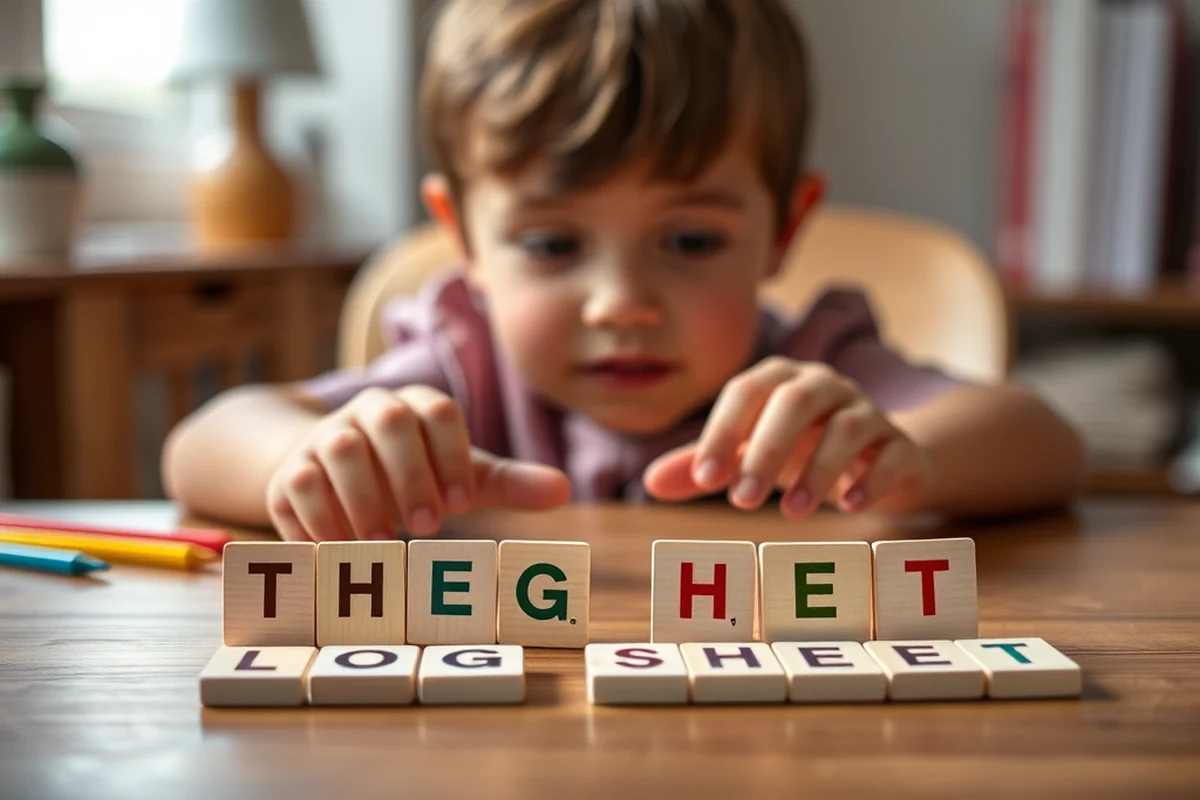
To create a log sheet, start with a blank piece of paper or a printable template. You can find free templates online that are designed for different ages and purposes. For example, some templates include spaces for writing tasks, while others use icons or pictures. The key is to make the log sheet visually appealing and easy to understand.
I once created a log sheet for a student who was struggling with reading. I used a printable template with a cartoon-themed layout, and I added a small box for each book he read. At the end of the week, he would color in the box with a marker. The visual progress he saw motivated him to read more books. His confidence improved, and his teacher noticed a positive change in his participation.
You can customize your log sheet to fit your child's interests. If they love dinosaurs, include dinosaur pictures. If they're into space, use a space theme. The more engaging the log sheet is, the more likely your child will want to use it.
A log sheet doesn’t need to be complicated to be effective.
Related: Kindergarten worksheets for beginners 2026
Related: How To Time Sheet
Related: Behavior Tracking Sheet
Related: What Coloring Sheet
Related: What Is A Price Sheet
Related: The Tracking Sheet
Related: What Is A Safety Data Sheet
Related: What Is A Percale Sheet Set
Related: What Is A Calculation Sheet
Using the Log Sheet for Academic Goals
Using a log sheet for academic goals helps children see their progress over time. For example, I once had a student who was working on mastering multiplication facts. I created a log sheet where he would mark each set of facts he completed. After a few weeks, the sheet showed a clear pattern—each day he completed more facts than the last. His confidence grew as he saw his progress.
The log sheet can also be used for reading goals. If a child is working on reading a certain number of books per week, the log sheet can be used to track each book. This not only helps the child see their progress but also makes reading a more rewarding experience.
One of the best things about using a log sheet for academic goals is that it allows for immediate feedback. A child can see which areas they are excelling in and which ones need more attention. This helps them take ownership of their learning and develop a sense of accountability.
Pair your log sheet with a visual timer that shows how much time is left on a task. This helps children stay on track and manage their time better.
“The first time I used a log sheet with my son in kindergarten, it felt like a lightbulb had gone off in his head.”— Kinderpractice editors
Related: Kindergarten worksheets printable explained
Related: The Check Sheet
The Benefits of a Consistent Log Sheet Routine
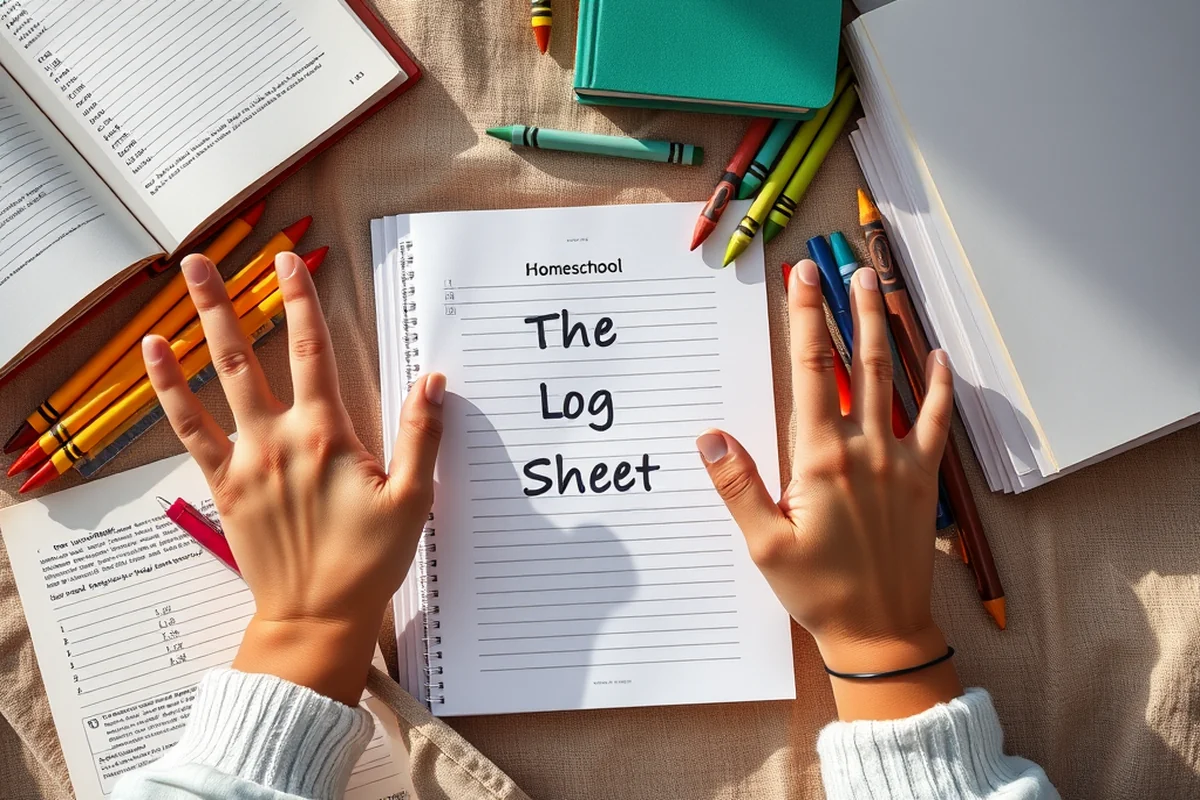
Consistency is key with using a log sheet. When a child uses the log sheet every day, they begin to see the benefits of tracking their progress. I once had a student who used the log sheet to track how many times he practiced his spelling words. After a month of consistent use, he was able to spell all of his words correctly in a test. His parents were amazed by the progress he made.
The routine of using a log sheet helps children build discipline and focus. It also helps them understand the value of consistency. When a child sees that they are making progress every day, they are more likely to continue using the log sheet and applying the same habits in other areas of their lives.
Over time, the log sheet becomes a part of the child’s daily routine. It’s a reminder of their goals and a way to measure their progress. This kind of consistency helps build a strong foundation for learning and personal growth.
Related: Beginner kindergarten worksheets math
Related: A Cheat Sheet
How to Motivate Your Child to Use the Log Sheet
Motivating a child to use the log sheet involves making the process fun and rewarding. I once had a student who was reluctant to use the log sheet. I introduced a reward system where he could earn a small prize for completing his log sheet each day. This change in approach made a big difference—he was now eager to use the log sheet and complete his tasks.
Positive reinforcement is an important part of motivating children. When a child sees that their efforts are being recognized, they are more likely to continue using the log sheet. This can be done through praise, stickers, or even small rewards like a favorite snack or extra playtime.
Another way to motivate a child is to involve them in the process. Let them choose the format of their log sheet or the rewards they can earn. This gives them a sense of ownership and makes the log sheet more engaging for them.
Related: Kindergarten worksheets printable
Tracking Emotions with a Log Sheet
Tracking emotions with a log sheet is an excellent way to help children understand and manage their feelings. I once had a student who was struggling with anxiety. I introduced a log sheet where he could mark how he was feeling each day using different colored stickers. This helped him see patterns in his emotions and understand when he was feeling better or worse.
The log sheet can be used to track a wide range步 of emotions. For example, a child might use a different color for happy, sad, angry, or tired. This visual representation makes it easier for them to see their emotional patterns and understand how their feelings change over time.
Tracking emotions with a log sheet is a simple but powerful tool. It helps children develop emotional awareness and teaches them how to manage their feelings in a healthy way. It also provides parents and teachers with valuable insights into a child’s emotional well-being.
Understanding emotions is the first step to managing them.
Related: Easy kindergarten worksheets free
Extending the Log Sheet Beyond the Classroom
The log sheet is not limited to the classroom—it can be used in various settings to support a child’s learning and development. For example, I once had a student who used the log sheet to track how much homework he completed at home. This helped him stay on task and manage his time more effectively.
The log sheet can also be used during after-school activities, such as sports, music, or art. A child can use the log sheet to track how often they practice their instrument or how many times they attend a sports practice. This helps them see their progress and stay motivated to continue.
Using the log sheet in different settings helps children apply the same habits and strategies they’ve learned in the classroom to other areas of their lives. This not only supports their learning but also helps them develop a strong sense of responsibility and self-discipline.
👶 Younger Kids (Ages 3-6)
Use a sticker chart with simple icons and short tasks to keep young learners engaged and motivated.
👦 Older Kids (Ages 7-12)
Create a more detailed log sheet with writing prompts and goal-setting sections to encourage independence and reflection.
✂️ No-Prep Version
Print a pre-designed log sheet template and use it right away without any additional preparation.
👥 Group Version
Use a shared log sheet in a classroom or group setting to track collective goals and celebrate team achievements.
🚀 Extension Version
Add a section to the log sheet for weekly reflections or future goals to help children think critically and set long-term objectives.
| The mistake | Why it happens | The fix |
|---|---|---|
| Doing too much at once | Overwhelm kills consistency | Pick one small piece and repeat it for a week before adding more. |
| Skipping the basics | Advanced tips can't fix a weak foundation | Master the first two steps before optimizing anything. |
The Log Sheet
Common Questions
How often should a child use the log sheet?
Can the log sheet be used for non-academic goals?
How do I choose the right format for my child’s log sheet?
How can I make the log sheet more engaging for my child?
References
Cite this guide
Kinderpractice (2026). The Log Sheet. https://kinderpractice.com/the-log-sheet/
Feel free to cite or share this guide.