
What Is Kindergarten Schedule: A Look at Daily Routines and Activities

📖 Table of Contents
- The Daily Rhythm of Kindergarten
- What Happens During Circle Time?
- Structured Learning Activities in Kindergarten
- The Importance of Recess and Physical Activity
- Lunch and Nap Time: The Rhythm of Rest and Refueling
- End of Day Transitions and Closing Circle Time
- Adapting the Schedule to Individual Needs
- Make It Your Way
- Frequently Asked Questions
I still remember the first day my son walked into kindergarten, his tiny backpack bouncing with every step. I stood outside the classroom, watching as his teacher, Ms. Rachel, greeted each child with a warm smile and a clipboard. It was then that I realized the kindergarten schedule wasn't just a list of activities — it was a carefully crafted rhythm that would shape my child's first real experience with structured learning. Understanding what a kindergarten schedule looks like can ease a parent's anxiety and help a child feel more prepared for the day ahead.
The kindergarten schedule is a blend of academic time, play, and social interaction, all designed to engage young minds without overwhelming them. In my experience, the best schedules balance time for reading, math, science, and creative expression, all while leaving room for recess, music, and lunch. I've seen how the structure of a typical kindergarten day can influence a child's confidence, focus, and even their sense of time. A well-designed schedule doesn't just teach; it nurtures.
What is kindergarten schedule, you might ask? It's the blueprint for the day, the rhythm that guides a child through learning, play, and rest. Some days start with a circle time — a gathering where the class sings, shares news, and gets ready for the day. Other days might focus more on hands-on learning, like building with blocks or painting. Understanding this structure helps parents and teachers align expectations and support a child's growth in both academic and emotional ways.
Why You'll Love This Kindergarten Schedule Guide
- Gives parents a clear view of what their child is doing each day.
- Helps teachers plan more effectively and keep students engaged.
- Includes tips for adapting schedules to different learning needs.
- Provides actionable insights from real classroom experiences.
The Daily Rhythm of Kindergarten
As of November 2026, a typical kindergarten schedule begins with morning arrival and a brief check-in, followed by a 15-minute circle time. This is where the class gathers on the carpet, sings songs, shares feelings, and introduces the day's lesson. I've noticed that this time is crucial for building a sense of community and setting the tone for the day. In my son's class, they even use a visual calendar to help children understand the flow of the day.[1]
After circle time, the class moves into structured learning blocks. These can include literacy activities like shared reading, math games, or science experiments. The teacher rotates between different centers, allowing children to choose activities that match their interests. My son's favorite was the building block center, where he learned to count and measure with toy rulers.
Recess, lunch, and nap time follow the academic blocks. I found that the schedule is designed to ensure that children get enough physical activity and rest. For example, in my son's class, they always have a 30-minute outdoor playtime before lunch, which helps kids release energy and be ready to focus again.[2]
Create a visual schedule with pictures or simple icons to help your child understand the day's activities.
Part of our Kindergarten worksheets lesson plans schedules guide.
What Happens During Circle Time?
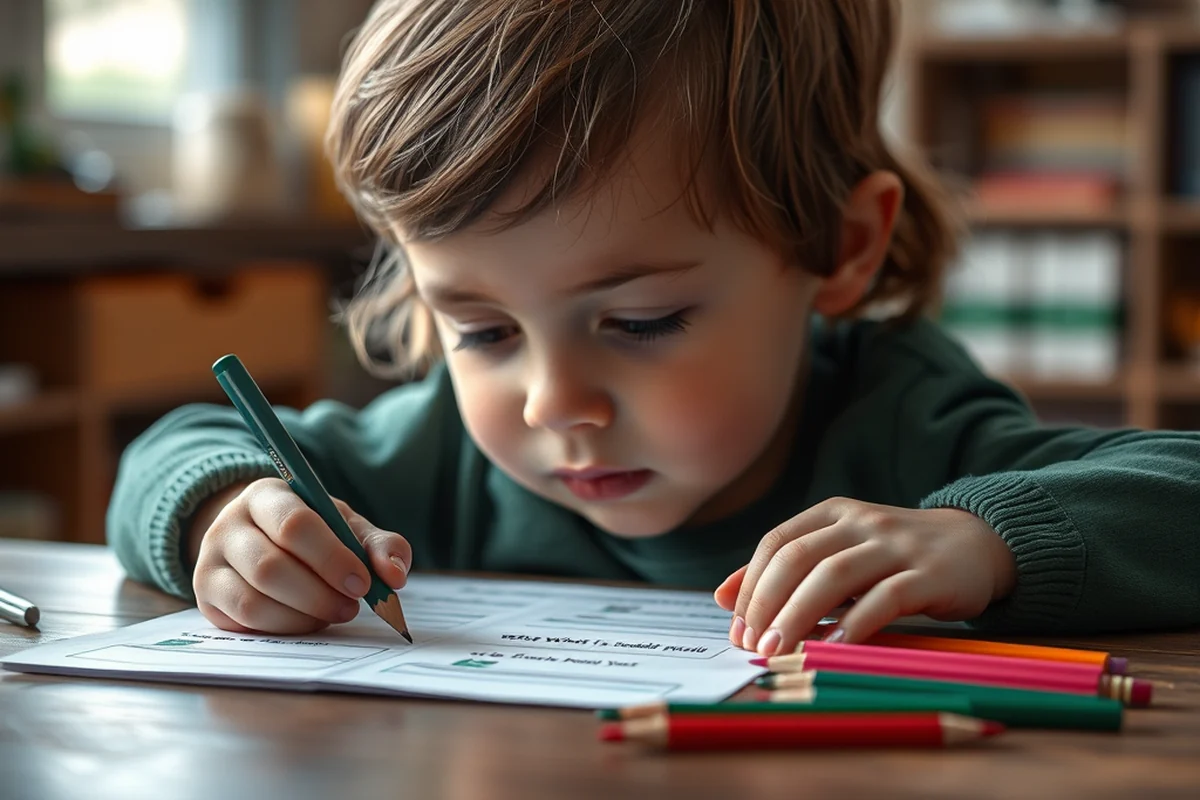
Circle time is the heartbeat of the kindergarten day. It's a time for songs, stories, and group activities that build social skills and listening habits. In my son's classroom, they start each day with a song about being kind, which helps reinforce positive behavior. The teacher also uses this time to introduce new vocabulary and concepts.
Circle time is also a chance for children to practice sharing and taking turns. For instance, they might take turns holding a pointer or leading a song. I've seen how this time helps shy children gain confidence and learn to participate in group settings.
The length of circle time can vary, but it's usually between 15-20 minutes. Teachers often use a timer or visual cues to signal transitions. This helps children understand the flow of the day and prepares them for what comes next.[3]
Circle time is where learning starts — with laughter, songs, and a shared sense of purpose.
Related: Excel calendar template 2026
Structured Learning Activities in Kindergarten
Structured learning in kindergarten is a mix of teacher-led and child-led activities that help build academic skills. These can include literacy activities like shared reading, phonics games, or writing practice. My son's class had a weekly focus on letters of the week, and they used alphabet blocks to reinforce learning.
Math is another important part of the schedule. Teachers use counting games, sorting activities, and number puzzles to teach basic math concepts. I've seen how these activities are made fun with hands-on materials and songs. For example, they sang a counting song while passing out snacks.
Science and social studies are also taught through play and exploration. In one class, the teacher used a small garden to teach about plants and growth. This approach makes learning tangible and engaging for young children.[4]
Invest in tactile materials like blocks, puzzles, and sensory bins to make learning more engaging and effective.
“I still remember the first day my son walked into kindergarten, his tiny backpack bouncing with every step.”— Kinderpractice editors
Related: What is a daily log sheet
The Importance of Recess and Physical Activity
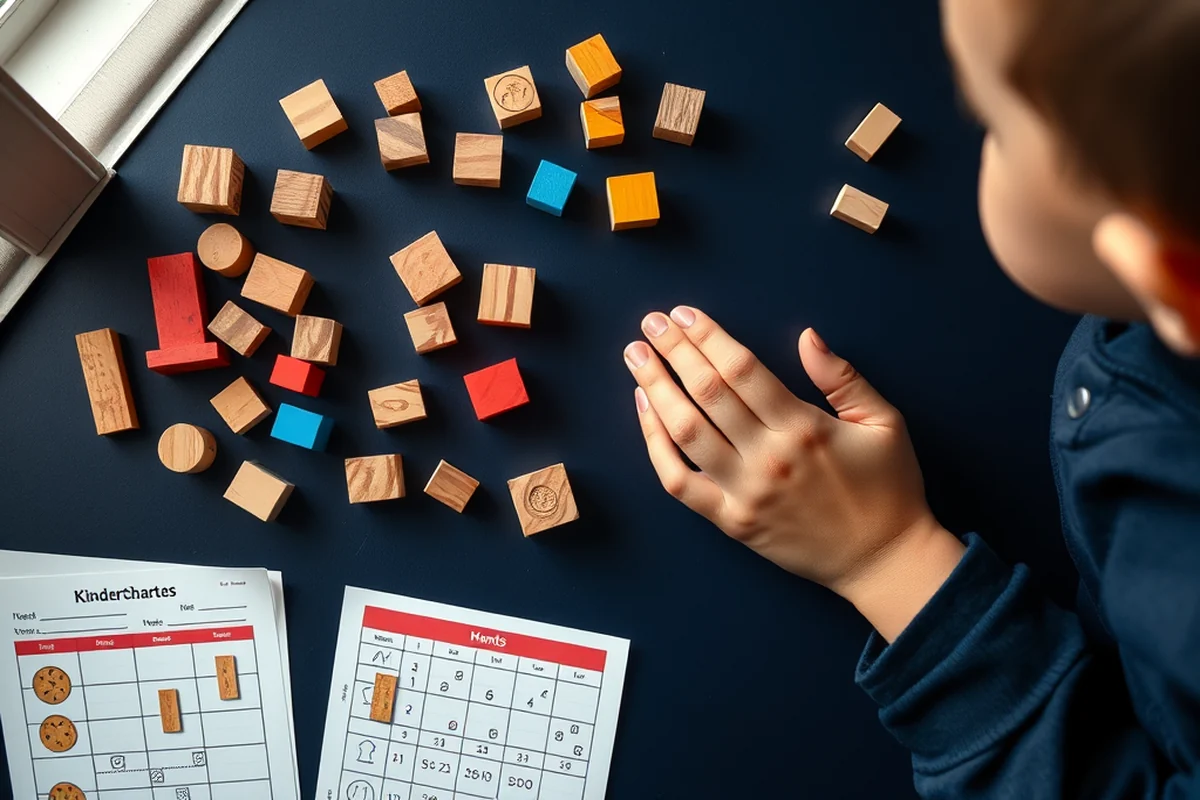
Recess is more than just a break from learning — it's a crucial part of the kindergarten schedule that supports physical and mental development. Studies show that children who get regular recess are more focused and have better behavior in the classroom. In my son's class, they have a 30-minute outdoor playtime each day, which includes both free play and teacher-led games.
During recess, children learn important social skills like taking turns, sharing, and resolving conflicts. They also get physical exercise, which helps with motor development and overall health. The teacher often uses this time to encourage gross motor activities like jumping, running, and climbing.
I've noticed that after a good recess, children are more ready to focus on learning. It's like a reset button for their energy and attention. This is why many schools have a policy of at least 30 minutes of recess each day.
Related: Excel schedule template
Lunch and Nap Time: The Rhythm of Rest and Refueling
Lunch and nap time are not just about eating and sleeping — they're essential parts of the kindergarten schedule that support a child's overall development. Lunch is often a time for social interaction, as children learn to share and practice table manners. In my son's class, they have a lunchtime where they sit with their friends and talk about their day.
Nap time is also an important part of the schedule. It helps children recharge and be ready for the rest of the day. Some kindergartens have a mandatory nap time, while others offer quiet time where children can rest or read. I've seen how this time helps kids who are tired from the morning activities to stay focused in the afternoon.
Teachers often use nap time as a way to monitor children's behavior and ensure they're getting enough rest. It's also a time for parents to check in and see how their child is adjusting to the school day.
Related: How to make schedule excel
End of Day Transitions and Closing Circle Time
As the day comes to an end, the kindergarten schedule includes a closing circle time that helps children transition from school to home. This time is used to recap the day's activities, share feelings, and practice goodbyes. In my son's class, they use a 'feelings chart' where children can point to how they're feeling before leaving.
This closing time is also a chance for teachers to give individualized feedback or praise. It helps children feel supported and valued. I've seen how this time helps kids who are hesitant about leaving school to feel more comfortable with the transition.
The teacher also uses this time to remind children of what's coming next. For example, they might show a picture of the next day's activities or read a short story that relates to the theme of the week. This helps children look forward to the next day and stay engaged in learning.
Closing circle time is where the day's lessons are reflected on — and where the next day's journey begins.
Related: Editable preschool job chart
Adapting the Schedule to Individual Needs
While there is a general structure to the kindergarten schedule, it's important to remember that each child has unique needs and learning styles. Teachers often modify schedules to accommodate children with special needs, different learning paces, or social challenges. For example, some children may need more time for transitions or extra support during circle time.
I've seen teachers use visual schedules, sensory tools, and individualized learning centers to help children stay on track. These adaptations make the schedule more flexible and inclusive. It's also important for parents to communicate with teachers about their child's needs and how they can be supported in the classroom.
By being flexible and responsive to each child's needs, the kindergarten schedule becomes a tool for growth and development. It's not a rigid plan but a living, evolving process that supports each child's journey.
🌞 Morning Focus Schedule
A schedule that prioritizes morning learning and includes a longer recess in the afternoon.
📚 Afternoon Enrichment Schedule
A schedule that includes extended time for creative activities or special projects in the afternoon.
🧼 No-Prep Schedule
A schedule that minimizes preparation and planning, ideal for teachers with limited resources.
🤝 Group Learning Schedule
A schedule that emphasizes collaborative activities and group projects throughout the day.
⏰ Early Finisher Schedule
A schedule that allows for early finishers to engage in independent learning or quiet time.
| The mistake | Why it happens | The fix |
|---|---|---|
| Not allowing enough time for transitions. | Transitions can be stressful for children, and not providing enough time can lead to frustration and behavioral issues. | Use visual timers and countdowns to help children understand how much time they have to move from one activity to another. |
| Overloading the schedule with too many activities. | Too many activities can overwhelm children and make it difficult for them to focus on any one task. | Keep the schedule simple and structured, with clear transitions between activities. |
| Ignoring individual needs in the schedule. | Failing to adapt the schedule to meet the needs of each child can lead to disengagement and frustration. | Use visual schedules and sensory tools to help children who need more support during transitions and learning activities. |
| Not providing enough time for rest. | Without adequate rest time, children may become tired and have difficulty focusing on learning. | Ensure that the schedule includes at least 30 minutes of recess and a dedicated nap or quiet time each day. |
What Is Kindergarten Schedule
Common Questions
How long is a typical kindergarten schedule?
What is the role of the teacher in the kindergarten schedule?
How does the schedule help with behavior management?
Can parents access a copy of the kindergarten schedule?
References
- Kindergarten - Centennial Elementary School - Plano ISD (centennial.pisd.edu)
- KINDERGARTEN - Washington, DC - | dcps (dcps.dc.gov)
- Kindergarten Pacing Guide | Missouri Department of Elementary ... (dese.mo.gov)
- Kindergarten Schedule - Wisconsin Department of Public Instruction (dpi.wi.gov)
Cite this guide
Kinderpractice (2026). What Is Kindergarten Schedule: A Look at Daily Routines and Activities. https://kinderpractice.com/what-is-kindergarten-schedule/
Feel free to cite or share this guide.
Kindergarten Weekly Practice Planner
5-day short-session practice plan by skill focus.
Open it free →