
What Is Kindergarten 3 About

📖 Table of Contents
- What is Kindergarten 3 About: The Core of Early Learning
- What is Kindergarten 3 About: The Role of Play in Learning
- What is Kindergarten 3 About: Social-Emotional Development
- What is Kindergarten 3 About: Literacy and Early Reading
- What is Kindergarten 3 About: Math and Numeracy Skills
- What is Kindergarten 3 About: The Importance of Teacher Support
- What is Kindergarten 3 About: The Transition to Formal Learning
- Make It Your Way
- Frequently Asked Questions
I still remember the first time I walked into a Kindergarten 3 classroom, the air thick with the scent of crayons and the soft hum of children giggling over a shared story. It was a moment that solidified my belief that Kindergarten 3 isn’t just another year in a child’s education — it’s a cornerstone. What is Kindergarten 3 about? It’s about bridging the gap between early childhood and formal learning, a year where curiosity is nurtured and foundational skills are introduced. This is the year when children begin to see themselves as learners, thinkers, and explorers.[1]
Kindergarten 3 is where the magic of learning begins to feel like a daily routine. It’s where a child who previously relied on scribbles to express themselves now starts to recognize letters and sounds. It’s where teachers use play as a tool for discovery, and where children begin to understand that learning can be joyful. I’ve seen it time and again — the way a child lights up when they spell their name for the first time, or when they count out 10 blocks and say, 'That’s 10!' It’s these moments that define what Kindergarten 3 is about: a gentle, structured. Deeply engaging introduction to the world of education.
What is Kindergarten 3 about? It’s about laying the groundwork for a lifelong love of learning. It’s about introducing concepts in a way that feels safe, playful, and meaningful. I’ve taught in multiple Kindergarten 3 classes over the years, and I can tell you with certainty that this year is not just about academics. It’s about social-emotional development, about self-regulation, and about building a child’s confidence. It’s the year when children begin to understand the value of patience, collaboration, and curiosity — all while mastering the basics of reading, writing, and math.[2]
Why You'll Love This Approach to Kindergarten 3
- It’s designed to be developmentally appropriate, with activities that match the way young children learn best.
- It blends play and learning seamlessly, making education feel like a natural part of everyday life.
- It helps children build foundational skills that will support them in future academic years.
- It encourages a love of learning that lasts well beyond the classroom.
What is Kindergarten 3 About: The Core of Early Learning
As of November 2026, Kindergarten 3 is the third year of early childhood education, typically for children aged 3 to 6, depending on the school system. It’s a year where the transition from early learning to more formal education begins. In this stage, children are introduced to structured routines, basic literacy, numeracy, and social skills. Teachers use a variety of tools such as books, games, and hands-on activities to make learning engaging and accessible.[3]
What makes Kindergarten 3 unique is its focus on developing a child’s curiosity and self-confidence. It’s a year where children are encouraged to explore, ask questions, and take risks — all while learning the basics of reading, writing, and math. Teachers are trained to recognize the developmental stages of each child and tailor their approach accordingly.
I’ve seen firsthand how Kindergarten 3 sets the tone for future learning. In one classroom, for example, children were given the opportunity to choose their own reading books, leading to a noticeable increase in engagement and comprehension. This level of autonomy is a hallmark of what Kindergarten 3 is about: creating a safe and supportive environment for learning.
Establishing a daily routine with dedicated times for learning, play, and rest helps children feel secure and focused. Try to include activities like storytelling, circle time, and hands-on projects in your schedule.
Part of our Kindergarten worksheets guide.
What is Kindergarten 3 About: The Role of Play in Learning
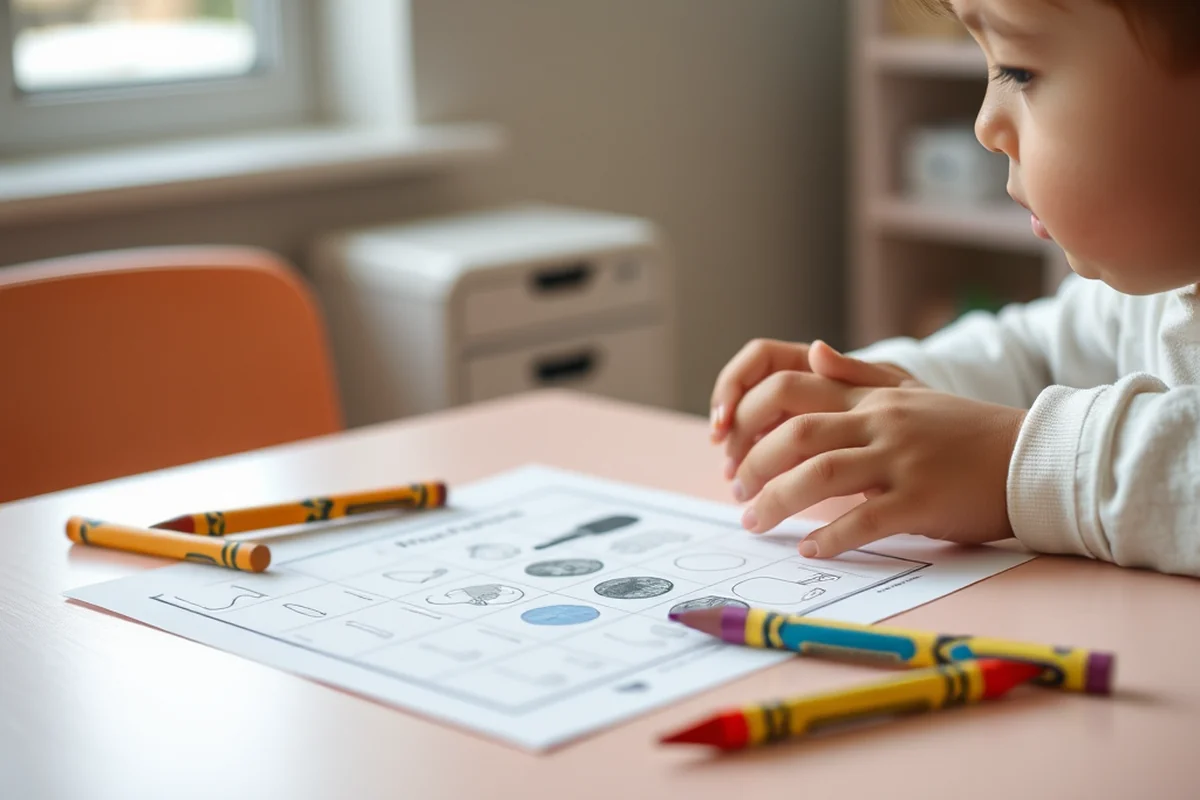
In Kindergarten 3, play is not just a way to pass the time — it’s a critical part of the learning process. Through play, children develop problem-solving skills, learn to take turns, and practice communication. Teachers often use imaginative play, puzzles, and building blocks to teach concepts like shapes, counting, and color recognition.
I once watched a group of children in a Kindergarten 3 class build a complex structure with blocks, and as they worked, they naturally began discussing size, balance, and teamwork. This is the power of play — it allows children to learn without even realizing they’re learning.
The best Kindergarten 3 classrooms balance structured learning with free play. In one such classroom, teachers set aside time each day for unstructured play, which allowed children to explore their interests and develop creativity. This blend of play and learning is what makes Kindergarten 3 so effective.
Play is the work of the child.
Related: What is maze worksheet
What is Kindergarten 3 About: Social-Emotional Development
In Kindergarten 3, children are learning how to manage their emotions, express their needs, and understand the feelings of others. Teachers use storytelling, role-playing, and group activities to help children build empathy and self-regulation skills.
One of the most important lessons in Kindergarten 3 is learning to take turns and respect others’ space. I’ve seen classrooms use a 'calm corner' where children can go to collect themselves when they feel overwhelmed. These strategies help children develop emotional resilience.
I once had a student who struggled with sharing, but through a series of role-playing activities, they began to understand the value of cooperation. This is the kind of growth that happens in Kindergarten 3 — and it’s just as important as any academic skill.
Help children name their emotions and talk about how they feel. Use books or art activities to explore feelings in a safe and supportive way.
“I still remember the first time I walked into a Kindergarten 3 classroom, the air thick with the scent of crayons and the soft hum…”— Kinderpractice editors
Related: Free reading comprehension worksheets
What is Kindergarten 3 About: Literacy and Early Reading
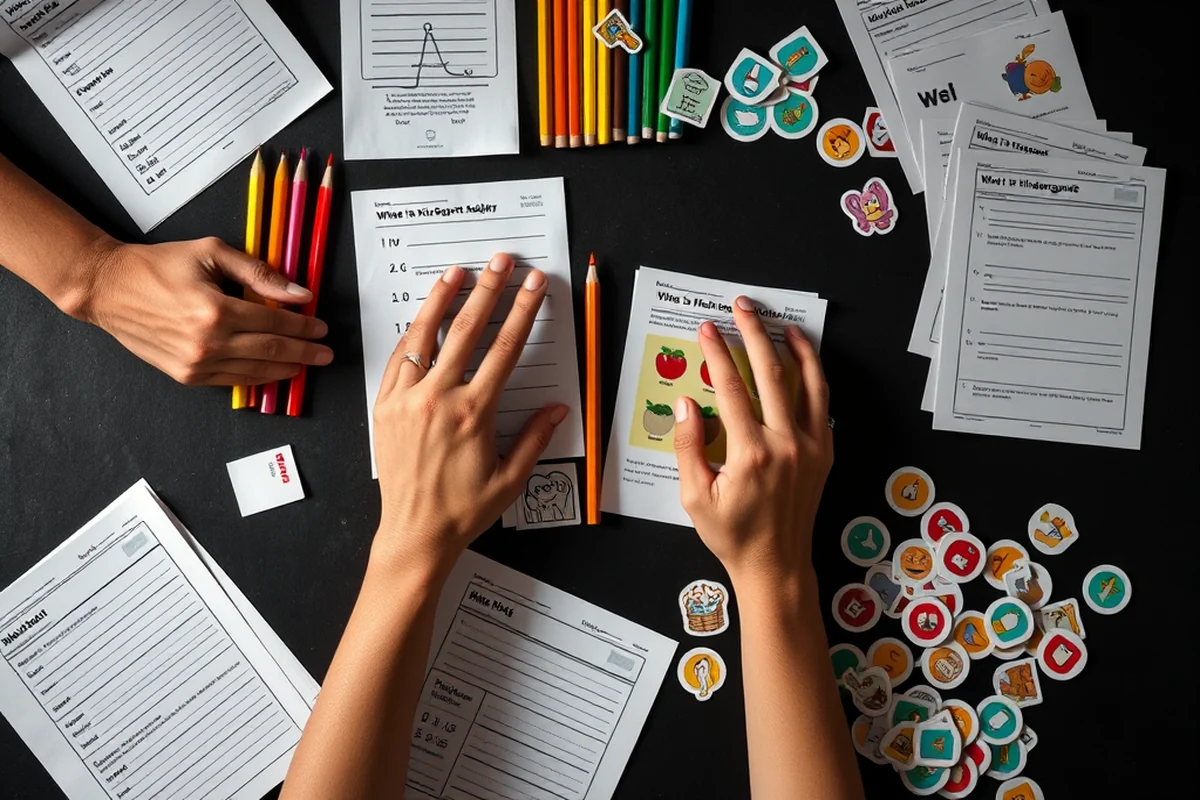
In Kindergarten 3, children are introduced to the alphabet, phonics, and basic reading skills. Teachers use a variety of strategies, such as guided reading, shared reading, and independent reading time, to help children become confident readers.
One of the most effective methods I’ve seen is the use of 'word walls' in the classroom, where children can see and interact with high-frequency words. This helps them recognize words more quickly and build vocabulary.
I’ve also found that incorporating books into daily routines, such as reading a story before snack time or using a book as a transition tool between activities, helps reinforce literacy skills in a natural and engaging way.
Related: What is multiplication worksheet
What is Kindergarten 3 About: Math and Numeracy Skills
In Kindergarten 3, math is taught through hands-on activities and real-life applications. Children learn to count objects, recognize numbers, and understand simple addition and subtraction. Teachers use manipulatives like counting bears, blocks, and number lines to make math accessible and fun.
I’ve seen classrooms use a 'math center' where children can practice sorting, matching, and counting in a play-based environment. This approach helps children internalize math concepts without feeling pressured or overwhelmed.
One of the most successful math lessons I’ve ever seen involved using playdough to create shapes and explore properties like sides and corners. It was a simple activity, but it led to rich discussions and a deeper understanding of geometry.
Related: Super teacher worksheets
What is Kindergarten 3 About: The Importance of Teacher Support
A Kindergarten 3 teacher is more than just an educator — they are a mentor, a guide, and a supporter. They help children navigate social interactions, manage emotions, and develop academic skills in a way that feels natural and engaging.
I’ve worked with many Kindergarten 3 teachers, and what stands out is their ability to connect with each child on an individual level. They use a variety of tools and strategies to meet the needs of every student, whether they are advanced learners or need more support.
One of the most important qualities of a Kindergarten 3 teacher is patience. They know that learning is a process, and they are willing to take the time to help each child reach their full potential.
The best teachers know that every child learns differently — and that’s okay.
Related: What is the term sheet
What is Kindergarten 3 About: The Transition to Formal Learning
As children move through Kindergarten 3, they begin to adapt to the expectations of a classroom setting. They learn to follow routines, participate in group activities, and take responsibility for their learning. This transition is crucial for preparing children for the next stages of education.
One of the most noticeable changes in Kindergarten 3 is the increased focus on academic skills. While play remains an important part of the learning process, children are also introduced to more structured activities like reading groups, math centers, and writing practice.
I’ve seen classrooms use a variety of strategies to help children adjust to the transition, such as visual schedules, clear expectations, and positive reinforcement. These approaches help children feel confident and prepared for the challenges ahead.
👶 Younger Kids Adaptation
For children who are slightly younger, this version focuses more on sensory play, storytelling, and basic motor skills.
👧 Older Kids Extension
For older Kindergarten 3 students, this version introduces more complex concepts, such as simple addition and subtraction, and introduces basic writing skills.
🧺 No-Prep Version
This version eliminates the need for advance preparation and uses everyday materials to support learning in a flexible and spontaneous way.
👥 Group Learning Version
Designed for group settings, this version emphasizes collaboration, teamwork, and shared learning experiences.
📚 Extension Activity
This version includes additional activities and resources to support continued learning and exploration beyond the core Kindergarten 3 curriculum.
| The mistake | Why it happens | The fix |
|---|---|---|
| Overloading children with academic work too quickly. | Children in Kindergarten 3 are still developing their cognitive and emotional skills, and too much academic pressure can lead to frustration and disengagement. | Balance academic learning with play and use child-friendly, developmentally appropriate materials and activities. |
| Not addressing social-emotional needs. | Children who do not learn to regulate their emotions or interact with others may struggle in school and in life. | Incorporate activities that help children practice empathy, self-regulation, and communication skills. |
| Ignoring individual learning differences. | Each child learns at their own pace, and a one-size-fits-all approach may not be effective. | Use a variety of teaching strategies and provide individualized support to meet the unique needs of every child. |
| Not preparing for the transition to formal schooling. | Children who are not prepared for the expectations of formal schooling may struggle with routines, participation, and academic skills. | Introduce structured routines and expectations gradually to help children adjust to the transition. |
| Neglecting the importance of teacher support. | Without proper support, children may not feel safe, engaged, or motivated to learn. | Ensure that teachers are trained, supported, and equipped with the resources they need to provide high-quality instruction and care. |
What Is Kindergarten 3 About
Common Questions
What are the main goals of Kindergarten 3?
How does Kindergarten 3 support literacy?
What role does play have in Kindergarten 3 learning?
How do teachers support children in Kindergarten 3?
References
- South Dakota Early Learning Guidelines (dss.sd.gov)
- Hands On Kindergarten Math Activities (training.jacksonms.gov)
- Early Childhood Assessment: Information for Districts and Programs (dcyf.mn.gov)
Cite this guide
Kinderpractice (2026). What Is Kindergarten 3 About. https://kinderpractice.com/what-is-kindergarten-3-about/
Feel free to cite or share this guide.
Kindergarten Weekly Practice Planner
5-day short-session practice plan by skill focus.
Open it free →