
Fun Worksheets For Kids

📖 Table of Contents
- What Are Fun Worksheets For Kids?
- How to Choose the Right Fun Worksheets for Kids
- How to Make Fun Worksheets for Kids More Engaging
- The Benefits of Using Fun Worksheets for Kids
- How to Use Fun Worksheets for Kids in Daily Routines
- How to Keep Fun Worksheets for Kids from Becoming Boring
- The Role of Parents in Using Fun Worksheets for Kids
- Make It Your Way
- Frequently Asked Questions
I still remember the day my three-year-old son sat at the kitchen table, utterly engrossed in a color-by-number worksheet that had somehow turned into a quest for treasure. It was one of the first times I realized that fun worksheets for kids could do more than just fill time—they could spark curiosity, build skills and even make learning feel like play. These worksheets weren’t just paper and ink; they were little worlds where numbers danced, letters came to life and creativity had a home.[1]
When I first began exploring educational resources, I was overwhelmed by the sheer volume of options. But it wasn’t until I stumbled upon a set of worksheets that combined learning with laughter that I felt like I’d found something truly valuable. Fun worksheets for kids aren’t just about making learning enjoyable—they’re about making it effective, too. My son’s progress in counting, matching and recognizing letters wasn’t just impressive; it was measurable, and it happened without a single tear or tantrum.[2]
Now, I’m not saying that every worksheet should be a full-blown adventure. But I have learned that when the right balance is struck between fun and learning, the results are undeniable. Whether it’s a worksheet that introduces shapes through a puzzle or one that helps kids practice letters by drawing their favorite animals, the key is to keep it engaging. Fun worksheets for kids are more than just tools—they’re bridges to a love of learning.[3]
Why You'll Love This Article
- Discover how fun worksheets for kids can boost learning without the stress.
- Get practical tips for choosing the right worksheets for your child’s age and interests.
- Find creative ways to use worksheets that go beyond traditional homework.
- Learn how to incorporate fun worksheets into daily routines without overloading your child.
What Are Fun Worksheets For Kids?
As of November 2026, these worksheets are more than just paper and ink—they’re tools for creativity, problem-solving and engagement. When I first started using them with my son, I didn’t expect them to become a regular part of our day, but they quickly did. Whether it was matching shapes, counting objects or tracing letters, each worksheet felt like a little adventure.[4]
I’ve used worksheets that involve puzzles, mazes, color-by-number activities and even simple math problems disguised as games. The key is that they should feel like play, not work. My son would beg to do them sometimes, and I’d be surprised by how much he retained after just a few minutes of focused play.
The best part about fun worksheets for kids is that they’re adaptable. You can choose ones that match your child’s interests or learning goals. I’ve used them to help with fine motor skills, vocabulary building and even basic science concepts like colors and textures.
Pick a worksheet that matches your child’s current interests. If they love dinosaurs, choose a worksheet with dinosaur shapes or names.
Part of our Kindergarten worksheets guide.
How to Choose the Right Fun Worksheets for Kids
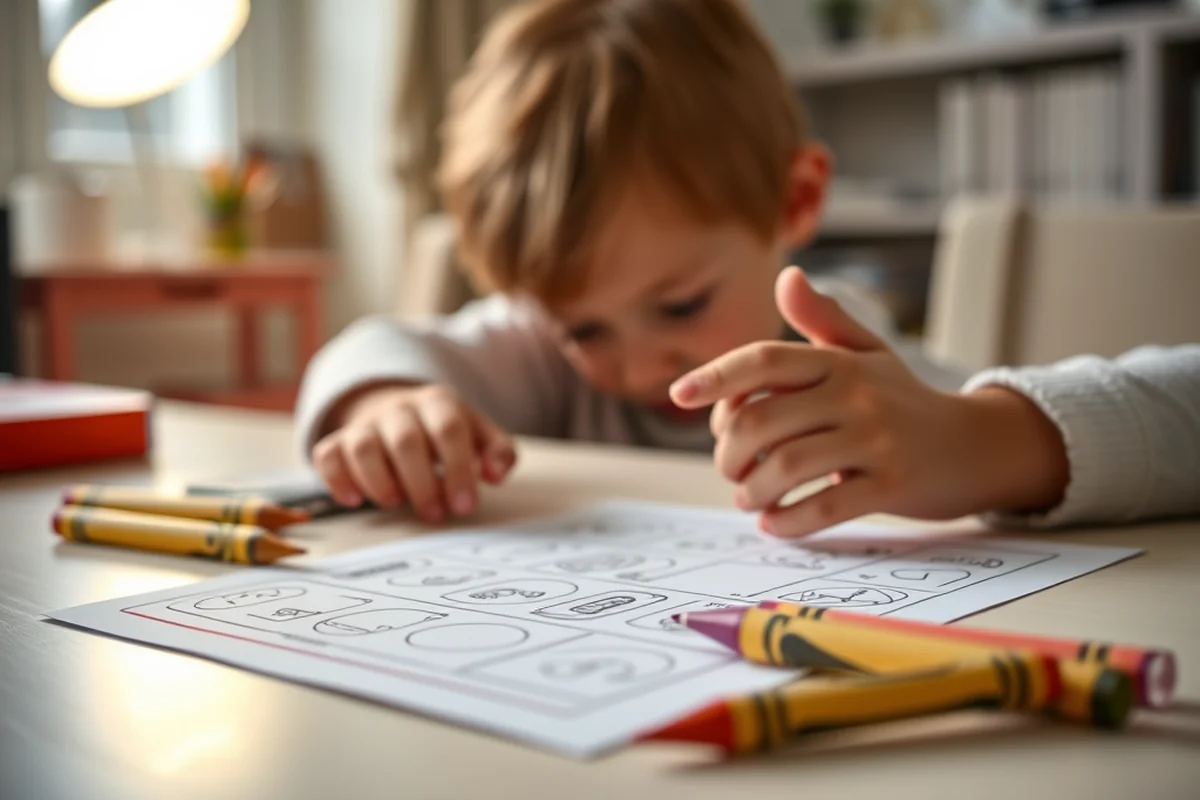
When I first started looking for worksheets, I was overwhelmed by the sheer number of options. But I quickly realized that not all worksheets are created equal. The best ones are the ones that align with what your child is learning and what they enjoy doing. I found that worksheets with bright colors, simple instructions and interactive elements were the most engaging for my son.
I also learned that it’s important to consider your child’s developmental stage. For younger kids, look for worksheets that focus on basic skills like matching, counting and coloring. For older kids, worksheets that challenge problem-solving, reading and writing skills are more appropriate. I often mix and match different worksheets to keep things fresh and interesting.
Another thing I’ve learned is that not all worksheets need to be done alone. Some are best done with a parent or sibling, and that can turn a simple worksheet into a bonding activity. I’ve used worksheets as a way to teach my son how to count by counting together, or to practice letters by spelling out simple words as a team.
The right worksheet can turn a boring afternoon into a learning adventure.
Related: Easy kindergarten worksheets free
How to Make Fun Worksheets for Kids More Engaging
I’ve found that the most successful worksheets are the ones that feel like a game. When my son was learning to count, I found a worksheet that had a maze where he had to count the number of animals to find the exit. He didn’t even realize he was learning—he just wanted to see how far he could go before the maze ended.
Another trick I use is to pair worksheets with small rewards or incentives. For example, I’ll offer a sticker or a small treat after completing a worksheet. It doesn’t have to be a big reward, but it helps reinforce the idea that learning is fun and worth the effort. I’ve noticed that this has kept my son motivated to complete more worksheets over time.
I also like to vary the types of worksheets we use. Some days we do mazes, other days we do coloring or tracing. I’ve noticed that when I keep the routine fresh, my son is more willing to try new things and push himself a little further.
Set up a small reward system for completing worksheets. It could be a sticker, a token or a small treat that your child can earn after finishing a task.
“I still remember the day my three-year-old son sat at the kitchen table, utterly engrossed in a color-by-number worksheet that had somehow turned into a…”— Kinderpractice editors
Related: Best kindergarten worksheets for beginners
The Benefits of Using Fun Worksheets for Kids
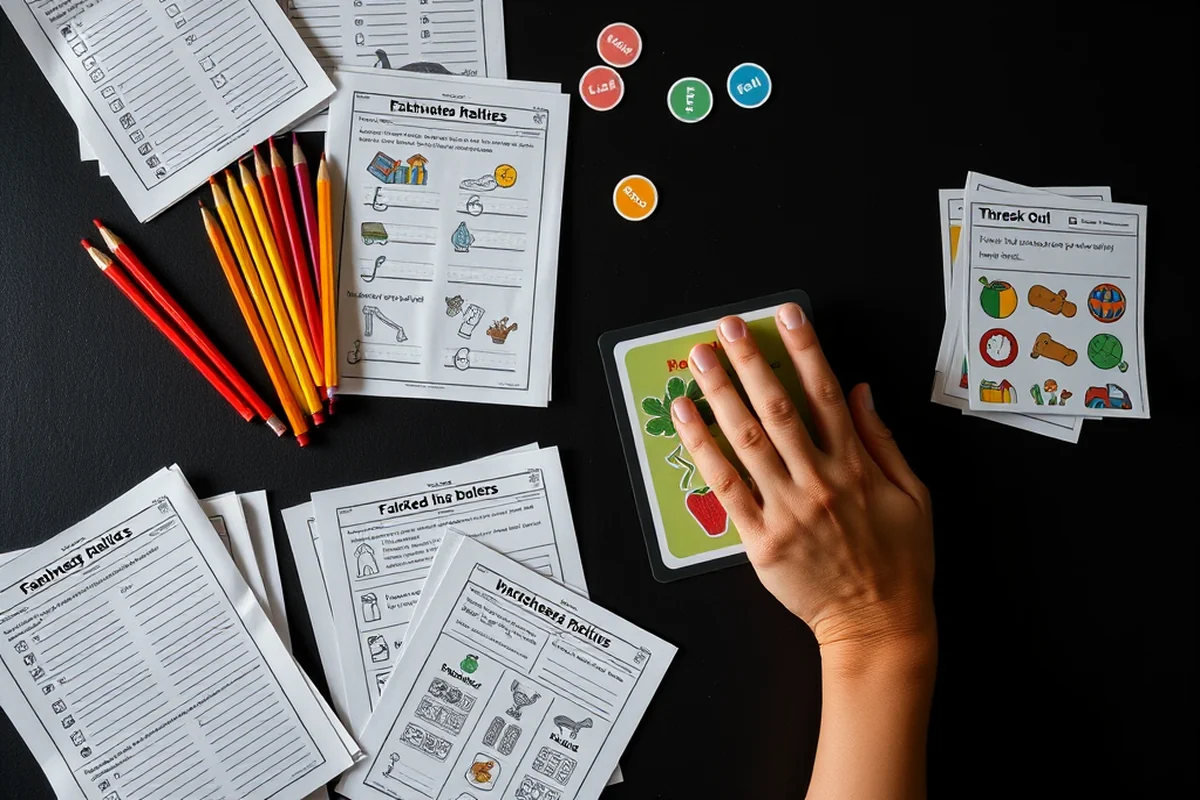
I’ve seen firsthand how fun worksheets for kids can help children develop a wide range of skills. From counting and matching to problem-solving and reading, these worksheets can be powerful learning tools. My son, for example, has improved his letter recognition and counting skills through consistent use of these activities.
One of the most surprising things I’ve noticed is how much these worksheets have boosted my son’s confidence. He used to be hesitant to try new things, but now he’ll proudly show me his completed worksheet and ask if we can do another one. It’s amazing how a simple activity can make such a big difference in a child’s self-esteem.
Another benefit I’ve noticed is that fun worksheets for kids can be used to reinforce learning in other areas. For example, after reading a storybook, I’ll use a worksheet that helps my son practice the new vocabulary he’s learned. It’s a great way to reinforce learning and keep the momentum going.
Related: Kindergarten worksheets ideas
How to Use Fun Worksheets for Kids in Daily Routines
One of the best ways to use fun worksheets for kids is to integrate them into your daily routine. I’ve found that using them during breakfast, before bed or even during snack time makes them feel like a normal part of the day. My son now looks forward to his morning routine because it includes a quick worksheet activity that he enjoys.
Another approach I’ve used is to set a specific time for worksheet activities. For example, we do a short worksheet session every afternoon while we’re waiting for dinner to cook. It’s a great way to keep my son engaged and learning during what might otherwise be a boring or restless time.
I also like to use worksheets as a way to reward good behavior or as a special activity after a tough day. Sometimes, after a long day at school, I’ll pull out a favorite worksheet that my son enjoys, and it becomes a way for him to unwind and still be productive.
Related: Kindergarten worksheets ideas without tools
How to Keep Fun Worksheets for Kids from Becoming Boring
I’ve learned that the same worksheet can quickly lose its appeal if it’s used too often. That’s why it’s important to rotate through different types of worksheets and keep things fresh. I’ve found that mixing up the themes—like using dinosaur-themed worksheets one week and space-themed the next—helps keep things interesting.
Another way to avoid boredom is to use a variety of activities within the same theme. For example, one day we might do a maze, and the next day we do a matching game. This keeps the child engaged and prevents the routine from feeling too repetitive.
I also try to tailor worksheets to my son’s changing interests. When he became fascinated with cars, I found a set of worksheets that involved counting vehicles or matching car parts. It was a perfect way to keep the learning relevant and fun.
Variety is the spice of learning.
Related: Cheap kindergarten addition worksheets
The Role of Parents in Using Fun Worksheets for Kids
I’ve found that being involved in the worksheet process is one of the most important factors in making it successful. Whether it’s sitting down with your child to complete a worksheet or simply encouraging them to try their best, your presence can make a big difference. My son always works harder when I’m there to help and celebrate his progress.
Another thing I’ve learned is that being patient and flexible is key. Not every worksheet will be a hit, and that’s okay. Sometimes you’ll have to try a few different ones before finding the right fit. I’ve also learned to be okay with my son not finishing a worksheet in one sitting—it’s more about the process than the result.
Finally, I’ve found that sharing your own love of learning with your child is one of the most powerful ways to make worksheets feel special. When I show my son that I enjoy learning and that I’m excited to see what he discovers, it makes the whole experience more meaningful for both of us.
🧩 Interactive Puzzle Worksheets
These worksheets are designed like puzzles, where children match pieces to complete the picture or solve a problem.
📖 Story-Based Worksheets
These worksheets are tied to stories and help children practice vocabulary, comprehension and even creative writing.
📄 No-Prep Printables
These worksheets require no additional materials and can be printed and used immediately, making them perfect for busy parents.
🤝 Group Learning Worksheets
Designed for multiple children, these worksheets encourage collaboration, teamwork and shared learning experiences.
🚀 Extension Activities
These are advanced worksheets designed for children who are ready for more challenging tasks and deeper learning.
| The mistake | Why it happens | The fix |
|---|---|---|
| Using the same worksheet repeatedly | This can lead to boredom and a lack of engagement from the child. | Rotate through different worksheets and themes regularly to keep the learning experience fresh. |
| Forcing the child to complete a worksheet | This can create negative associations with learning and make the child reluctant to try new activities. | Use worksheets as a fun activity, not a task. Let the child take the lead and offer encouragement instead of pressure. |
| Not tailoring worksheets to the child’s interests | This can make the worksheet feel irrelevant or unappealing to the child. | Use worksheets that are tied to your child’s current interests or passions to make them more engaging. |
| Using worksheets as a form of punishment | This can create a negative association with learning and make the child resent the activity. | Use worksheets as a form of reward or fun activity, not as a punishment for misbehavior. |
| Not allowing the child to take their time | This can create unnecessary pressure and stress for the child. | Allow the child to work at their own pace and celebrate their progress, no matter how small. |
Fun Worksheets For Kids
Common Questions
What age range are fun worksheets for kids best suited for?
Where can I find fun worksheets for kids?
Can I use fun worksheets for kids for learning purposes beyond school?
How long should a fun worksheet activity last?
References
- Learn about Wildlife at Home or at School (adfg.alaska.gov)
- Science & Nature Activities for Cooped Up Kids – K-12 Education (birds.cornell.edu)
- 16 Fun ESL Games and Activities for Kids & Teens - Bridge (bridge.edu)
- Math Worksheets - U.S. Census Bureau (census.gov)
Cite this guide
Kinderpractice (2026). Fun Worksheets For Kids. https://kinderpractice.com/fun-worksheets-for-kids/
Feel free to cite or share this guide.
Kindergarten Weekly Practice Planner
5-day short-session practice plan by skill focus.
Open it free →